Palm Beach Season Condo Living for a Refined Winter Base
March 24, 2026
March 24, 2026
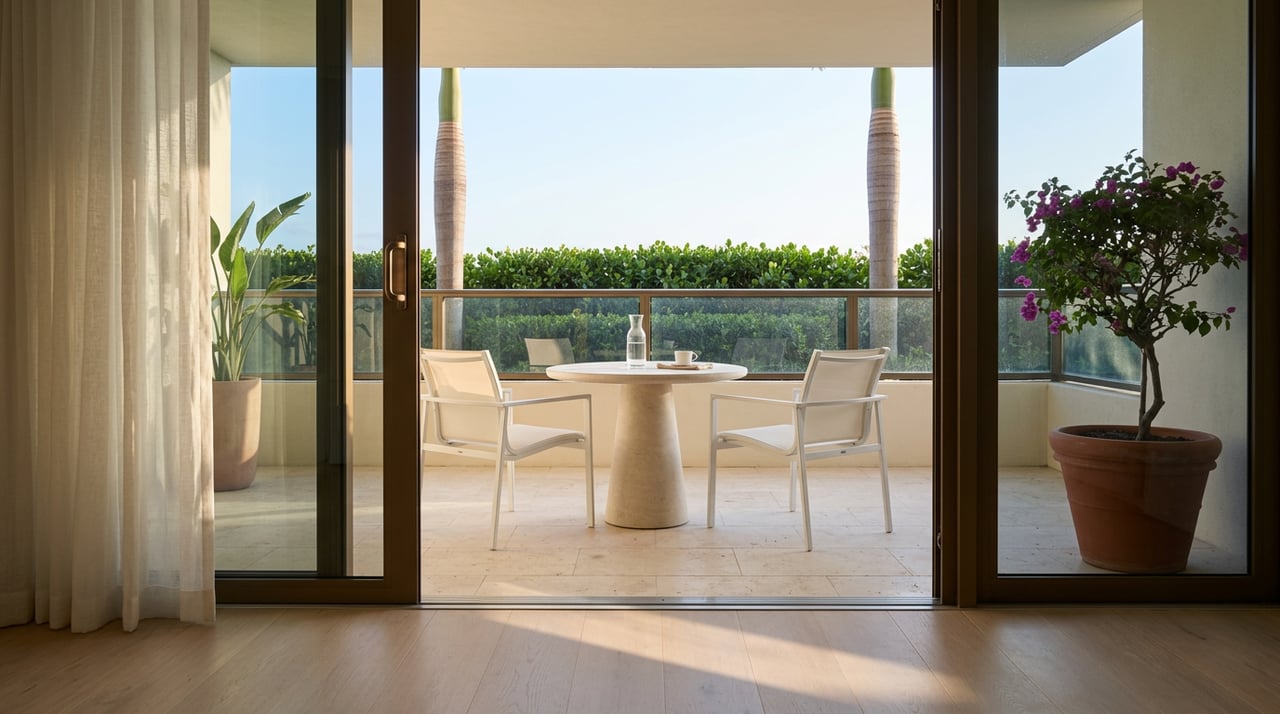
If you time your year around culture, sunshine, and ease, Palm Beach season feels like a perfectly edited itinerary. Mornings start with coffee on a balcony, afternoons move to galleries or the pool, and evenings mean great dining within a short walk or a quick bridge ride. If you want that rhythm without the upkeep of a single-family home, a well-placed condo can be your best seasonal base. In this guide, you’ll learn how condo living elevates the December–April season, what rules and risks to check, and how different neighborhoods compare. Let’s dive in.
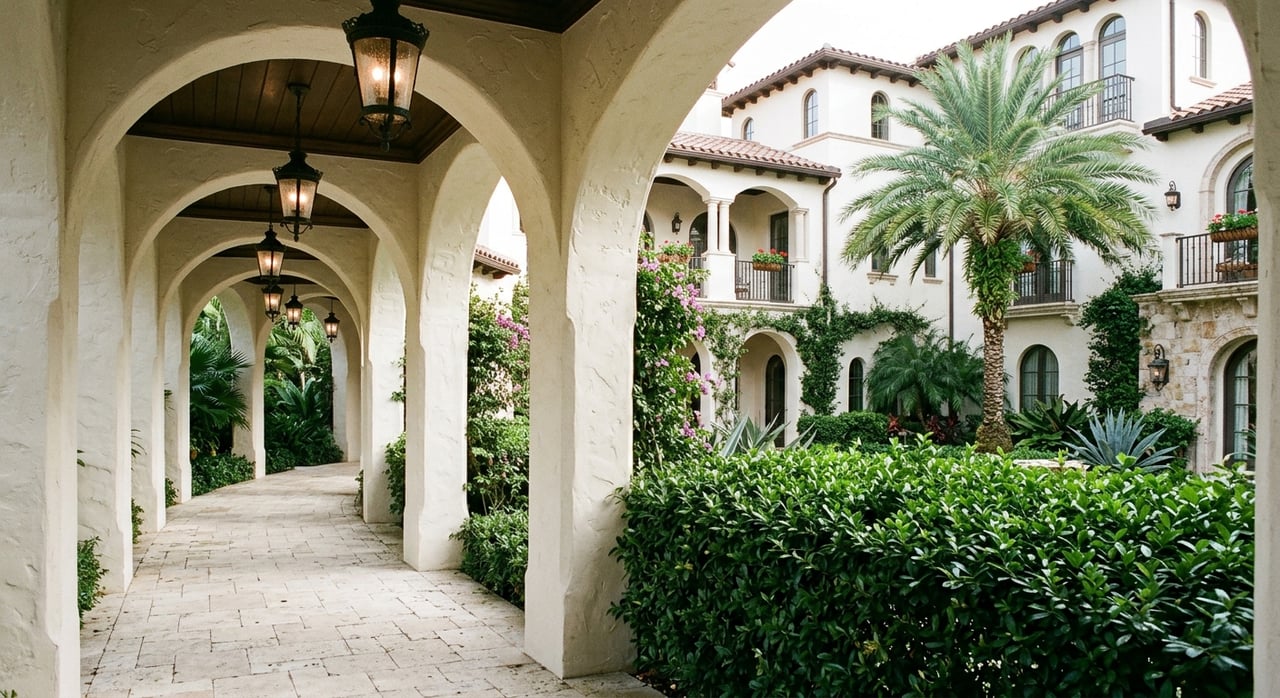
From December through April, often called Palm Beach’s social season, the island comes alive with boutiques, cafés, and gallery windows set for winter visitors. You can step from your lobby to the sidewalk and reach the luxury storefronts and dining along Worth Avenue within minutes. If you plan your day around walkability and effortless style, being close to the avenue keeps your routine simple and refined. For context, visitors commonly describe the seasonal window as December to April, when cultural and social calendars are most active. Fodor’s overview of Palm Beach reflects this timing, and the Worth Avenue Association showcases the district’s role in seasonal life.
A strong condo location makes it easy to split your time between the island and downtown West Palm Beach. You might spend the afternoon with modern and contemporary works at the Norton Museum or tour the Gilded Age at the Flagler Museum on the island. As evening approaches, you can cross into downtown for headlining performances and festivals at the Kravis Center for the Performing Arts. This mix of art, design, and performance is one of the top reasons seasonal residents anchor in condos near cultural districts.
Season concentrates premier exhibitions, performance schedules, and signature events in a compact window. That cadence shapes how you plan dinners, tickets, and guest visits. You get hotel-style convenience with private space, which makes hosting friends or leaving for a quick weekend trip feel easy.
Condos trade yardwork and vendor wrangling for controlled access and on-site management. Common-area maintenance, building systems, and exterior care are handled by the association, which is ideal when you split time across homes. If you want to arrive to clean hallways, polished lobbies, and a secure package room, the condo format makes it simple. A quick primer on how fees support these services can help you evaluate value for money. See this overview of typical HOA costs and what they cover when you compare buildings.
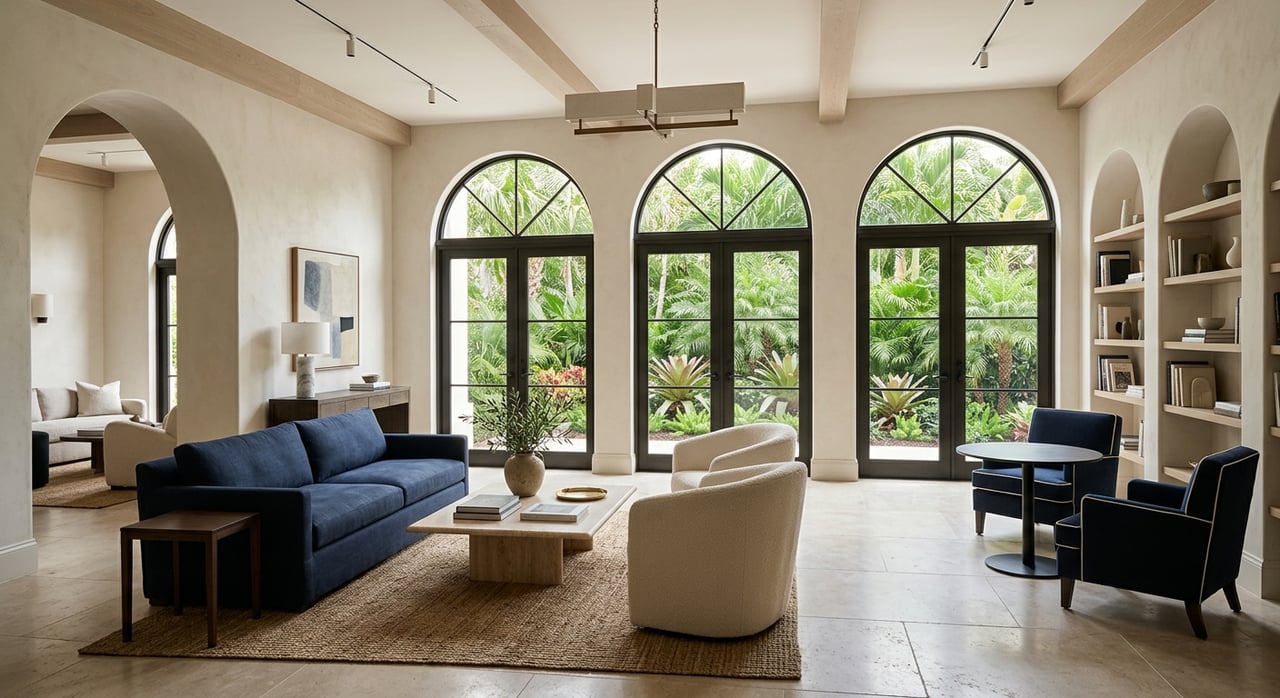
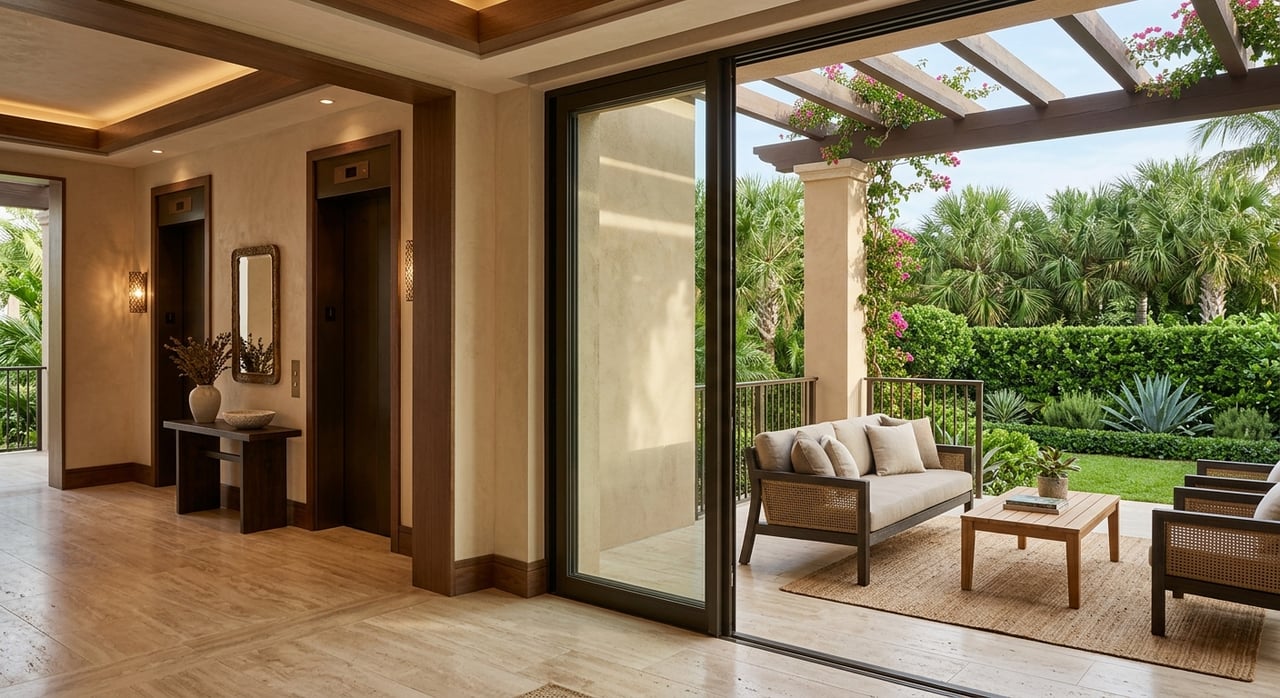
Many buildings lean into hotel-like touches: doormen or front-desk teams, fitness centers and pools, secure mailrooms, and in some cases guest suites. That means you travel light, skip the errands, and spend your time where it counts. In walkable locations, you can treat your condo like a private suite steps from dining, shopping, and waterfront paths.
On-island condos put you near Worth Avenue and the beach. Downtown West Palm Beach towers tend to offer newer amenity packages and quick access to theater, galleries, and dining. Choosing between them depends on what you want most: direct beach adjacency and island quiet, or a dense cultural hub with skyline views and services.
If you plan to offset costs with short stays, start here. The Town of Palm Beach prohibits short-term rentals such as nightly Airbnb-style bookings. That means island condos are generally not available for short nightly rentals. You can view the Town’s guidance directly in its FAQ on short-term rentals.
If you rent a property in Palm Beach County for six months or less, you must register and collect the county’s 6 percent Tourist Development Tax in addition to state sales tax. The County outlines registration and collection on its Tourist Development Tax page. Rules vary by municipality, so always confirm your city’s code and your association’s documents at the same time. Many buildings set minimum lease terms and application processes that control guest stays.
Review the association’s budget, reserves, and rules. Monthly assessments usually fund common-area maintenance, building staff, master insurance, landscaping, and reserves. Fee levels vary widely by location, age, and amenity set. You should also confirm how insurance is split between the master policy and your unit coverage. Under Florida’s Condominium Act, associations carry a master policy for common elements while owners typically maintain an HO-6 policy for interiors, personal property, and liability. Read the declaration to see whether the building follows a bare-walls or walls-in standard, and confirm flood coverage status. The Florida Statutes, Chapter 718.111 outline association insurance duties and related governance.
After the Surfside tragedy, Florida enacted milestone structural inspections and new reserve standards for multi-story buildings at defined age thresholds. Older buildings, especially those three stories or higher, have been undergoing evaluations and reserve planning that can lead to capital projects or special assessments. Ask for the latest engineering reports, reserve studies, and any approved assessments so you can price the real total cost of ownership. You can review the legislative framework in the 2022 law establishing milestone inspections and structural integrity reserve studies.
Atlantic hurricane season runs June 1 through November 30. If you leave for the summer, plan a storm checklist, designate a local contact, and confirm your building’s shutter procedures and re-entry protocols. You can verify the season dates through the National Hurricane Center.
Flood mapping is also critical on and near the barrier island. Palm Beach County highlights ongoing flood-zone updates that can affect insurance and disclosure. Before you buy, check your building’s flood zone, ask whether the association carries flood insurance, and understand how deductibles work for wind and flood. See the County’s update on flood-zone changes as part of your due diligence.
Florida’s homestead exemption applies only to your primary residence and has a March 1 filing deadline in Palm Beach County. If you plan to change residency or keep a primary home elsewhere, speak with your advisors early so your filings are accurate. The County Property Appraiser explains eligibility and deadlines on the Homestead Exemption page.
Easy access supports frequent winter trips and quick weekend plans. Palm Beach International Airport, Brightline, and Tri-Rail connect the island and downtowns to regional and national routes, which is especially convenient if you split time with the Northeast. The area’s tourism fact sheet covers these access points in one view. See the Palm Beaches overview of PBI, Brightline, and Tri-Rail when planning your travel rhythm.
Choose the island if you want a quiet, walkable base with immediate access to boutiques and beaches. Inventory is tighter, prices can reflect the address, and buildings often prioritize a refined, residential feel. Short-term nightly rentals are prohibited by the Town, so island ownership suits end users and longer leases subject to building rules. For lifestyle context, the Worth Avenue Association gives a sense of the retail and dining experience nearby, and the Town posts its rental guidance for owners.
If you want a contemporary tower with service-forward amenities, downtown West Palm Beach can be a fit. You are close to the Kravis Center, galleries, restaurants, and the airport. Many buildings here offer robust front-desk teams, valet, and curated resident programs. Explore current programming at the Kravis Center to get a feel for the neighborhood energy.
These coastal cities deliver luxury amenities with a distinct rhythm, from marina access to golf and lively downtowns. Rental rules vary by municipality and building, so verify minimum lease terms, licensing, and inspections where applicable. A practical first step is to review local summaries about Boca Raton’s short-term rental licensing so you can gauge feasibility before you tour.
Buying in season is as much about lifestyle curation as it is about due diligence. You deserve guidance on finishes, governance, and building stewardship, not just square footage. With a design-forward approach, hands-on staging, and board-level experience leading amenity renovations, you get a partner who treats your condo like a turnkey lifestyle asset. If you want a refined plan for Palm Beach season and a clear path through association rules, inspections, and insurance, schedule time with Sharon Sweet.
Stay up to date on the latest real estate trends.
With unmatched creativity, negotiation skills, and dedication, Sharon is ready to guide you through every step of your real estate journey.

Sharon Sweet
Address 340 Royal Poinciana Way Ste M314 Palm Beach FL 33480