How to Prepare a Palm Beach Condo for Sale Smoothly
April 2, 2026
April 2, 2026
Selling a Palm Beach condo is not just about making it look beautiful. It is about making it look polished within the rules that govern your building and the town. In a market where buyers have choices and condition matters, the right pre-sale plan can help your residence feel turnkey without creating delays, extra approvals, or unnecessary expense. Here is how you can prepare your Palm Beach condo for sale with a design-led approach that respects building guidelines and keeps your listing on track.
Palm Beach County's condo market gives buyers room to compare options. According to Miami Realtors market data, the county had 6,925 active condo and townhome listings with 8.5 months of supply in Q4 2025. In April 2025, condo sales were down year over year, median list-to-contract time was 55 days, and median time to sale reached 93 days.
That kind of environment rewards thoughtful preparation. A condo that feels clean, current, and easy to move into can stand out more quickly than one that looks like a project. For many sellers, that means focusing on presentation first, not jumping straight into renovation.
There is strong evidence behind that strategy. The National Association of Realtors 2025 staging snapshot found that 83% of buyers' agents said staging made it easier for buyers to visualize a property, while 49% said staging reduced time on market. For Palm Beach condo sellers, that points to a simple truth: smart merchandising often delivers more value than disruptive construction.
Before you schedule a painter, order new window treatments, or replace a door, review your condominium documents. Under Florida condominium law, the association is responsible for maintaining common elements, and unit owners may not make changes that adversely affect the safety or soundness of property the association must maintain.
That matters because many updates that seem minor can involve shared systems or exterior elements. If your governing documents do not spell out the approval process, material alterations or substantial additions generally require 75% of the total voting interests. In practical terms, you want clarity before any work begins, not after.
A good first step is to gather and read your declaration, bylaws, and rules. Florida law also requires associations to maintain these records as part of their official association records, along with year-end financial information and certain inspection-related reports where applicable.
Many of the most effective pre-sale improvements are also the least invasive. Florida insurance statutes identify several items located within the unit and serving only that unit, including floor, wall, and ceiling coverings, electrical fixtures, appliances, water heaters, built-in cabinets and countertops, and window treatments. While any work still has to follow your condo documents and board rules, these categories often point sellers toward safer cosmetic refreshes.
In most Palm Beach condos, the lowest-friction upgrades tend to include:
These improvements can change how a buyer feels in the space without moving into the approval-heavy territory of exterior changes or structural work.
If you want the condo to feel turnkey, prioritize the rooms that shape first impressions. NAR reports that the living room is the most important room to stage, followed by the primary bedroom and kitchen. Sellers' agents also commonly stage the dining room.
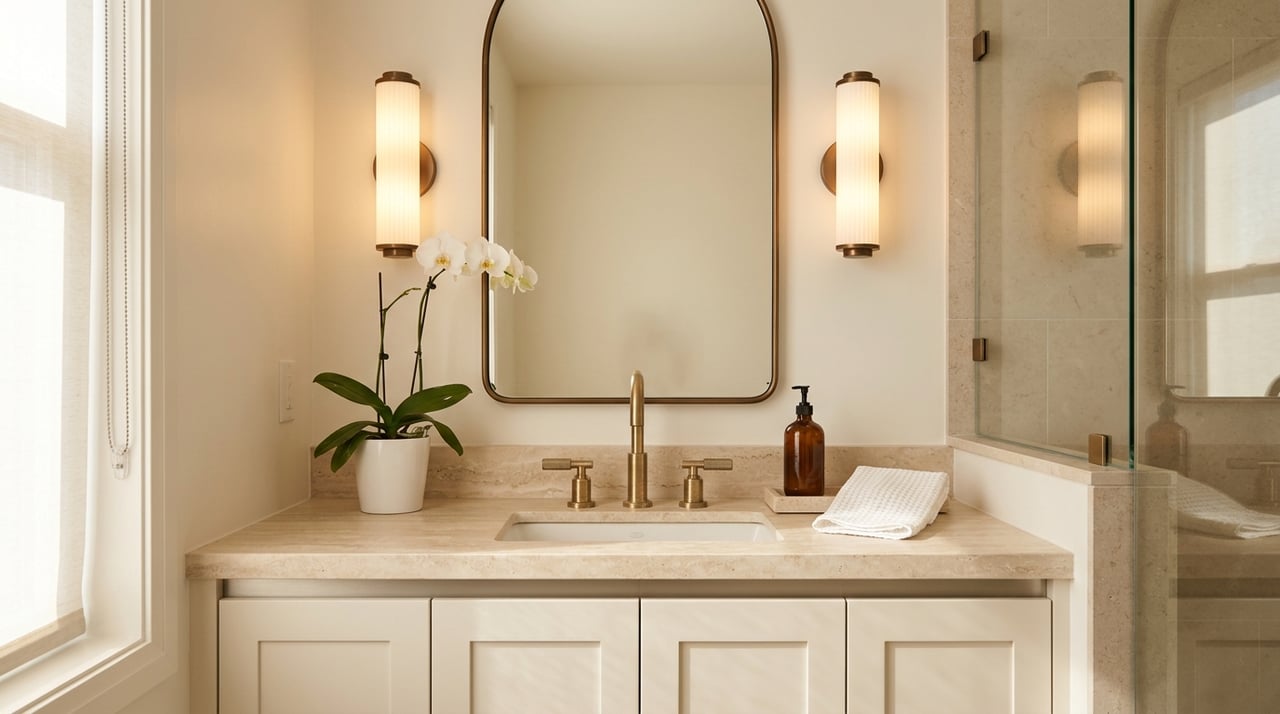
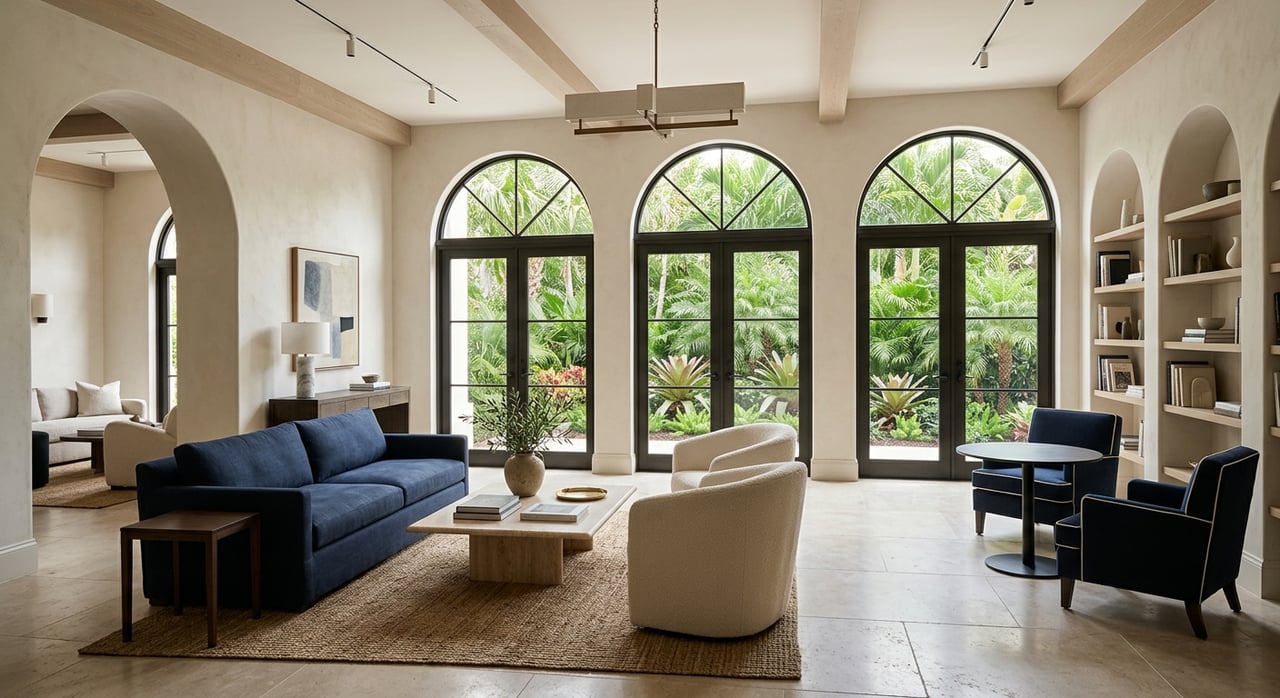
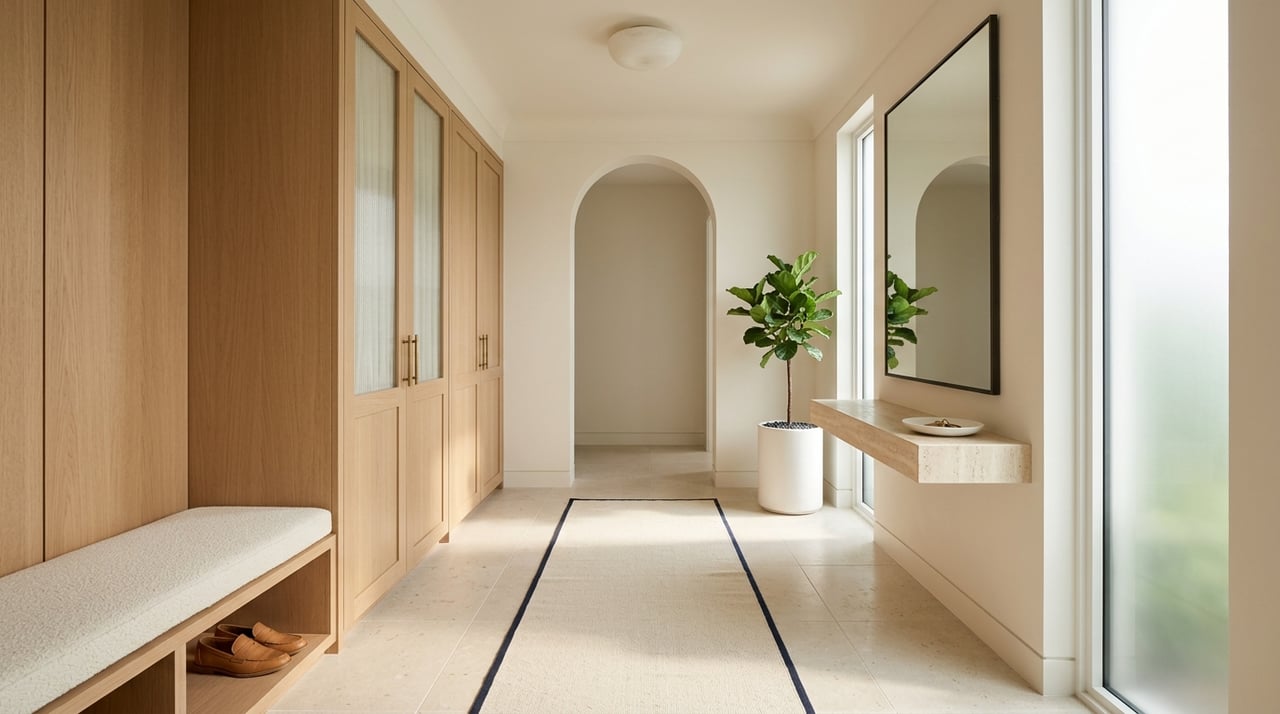
For a Palm Beach condo, that usually means creating an interior that feels bright, calm, and easy to understand at a glance. Natural light, neutral wall colors, and streamlined decor can help buyers focus on the residence itself rather than the owner's personal style.
Here is where a measured design plan helps most:
Keep the layout open and scaled to the room. Oversized furniture can make a condo feel tighter, while too many accessories can distract from light, views, and flow.
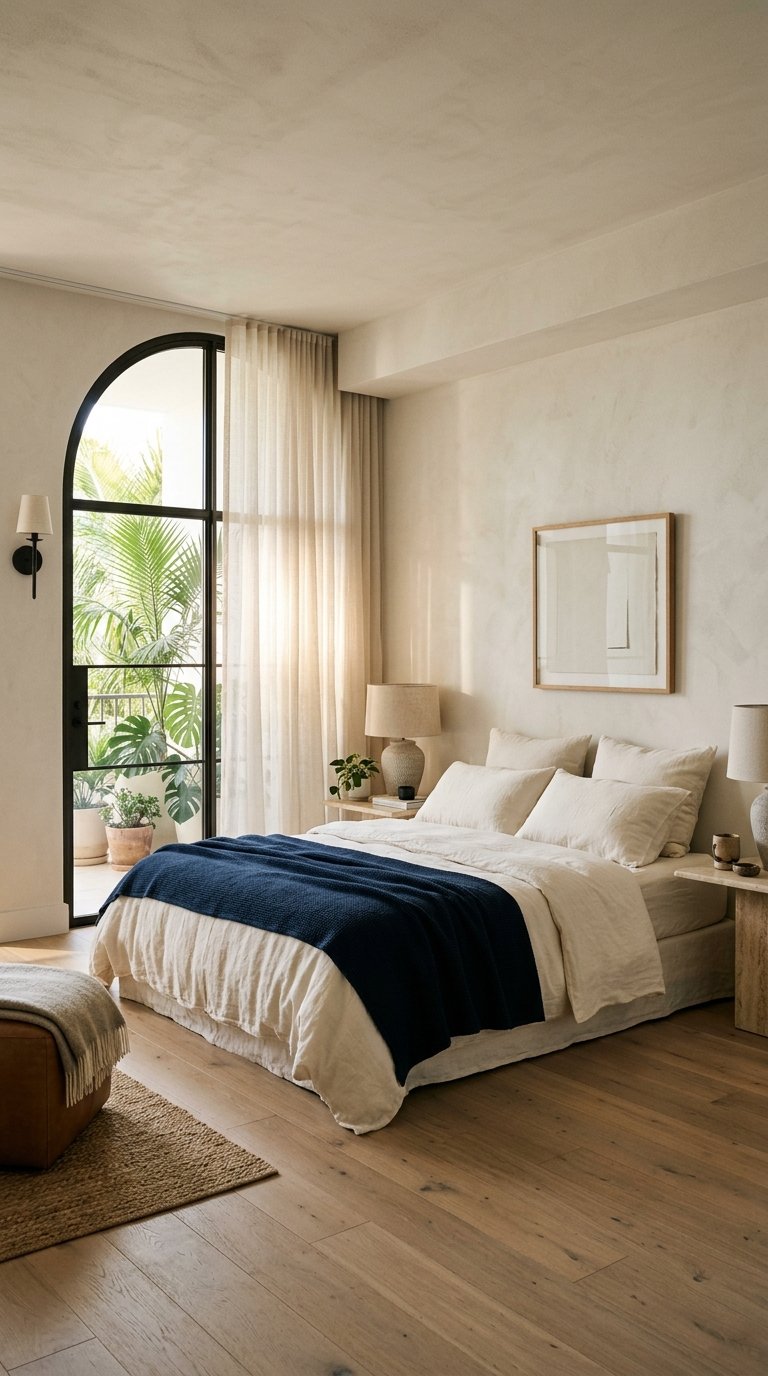
The primary bedroom should feel restful and uncluttered. Crisp bedding, edited surfaces, and a clear path of movement can make the room feel more generous and more finished.
You do not always need a full kitchen renovation to improve buyer perception. Clear counters, polished surfaces, updated hardware if approved, and careful styling can often create a cleaner, more current look.
This is where Palm Beach sellers need to be especially careful. If your refresh touches windows, doors, or shutters, the process becomes more procedural. According to the Town of Palm Beach shutter, window, and door permit guidelines, these items require design review by ARCOM or LPC as applicable, and if the property is in an HOA, an HOA letter is also required.
That means a visually motivated update may still trigger review and documentation. If the element is visible from a public right-of-way, the town may also require a higher level of coordination. The Town of Palm Beach development review guidance states that ARCOM reviews modifications to existing structures visible from public rights-of-way, while historic or historically significant properties go through the Landmarks Preservation Commission.
In short, do not assume an exterior-facing change is cosmetic just because it looks simple.
Palm Beach also flags condo-specific permitting resources through its building permit and business tax pages. The town provides a condo checklist as well as separate resources for kitchens and for doors, shutters, and windows.
That is a helpful reminder that your pre-sale prep has two layers of review:
If your goal is to list on a specific timeline, this matters. A beautifully intended upgrade can become a marketing delay if approvals are not lined up in advance.
In a buyer-leaning condo market, sellers often ask whether they should renovate or simply refine. The data supports a balanced answer. NAR reported a median staging service cost of $1,500, and many agents recommended decluttering and correcting property faults instead of taking on major remodeling.
That framework makes sense in Palm Beach. When inventory is elevated, buyers still respond to quality and polish, but not every dollar spent on construction returns equal value. The best use of your budget is often the work that improves perception quickly, photographs well, and avoids red tape.
A practical pre-sale budget often works best when you move in this order:
Presentation is only one part of condo readiness. Documentation also matters, especially once a buyer begins due diligence. Under Florida Statute 718.503, a nondeveloper seller must provide the buyer, at the seller's expense, current copies of the declaration, articles, bylaws, rules, annual financial statement and budget, and the FAQ document.
If applicable, the seller must also provide the milestone-inspection summary, the most recent structural integrity reserve study, and the turnover inspection report. For contracts entered into after December 31, 2024, Florida law also requires conspicuous disclosure if a required milestone inspection or structural integrity reserve study has not been completed.
The practical takeaway is simple: gather these items before your condo goes live. A well-prepared seller appears more credible, and a smoother document package can help reduce friction once you are under contract.
If you want a concise path forward, start here:
In Palm Beach, the strongest listings usually feel effortless, but that ease is carefully planned. The goal is not to overbuild. It is to present your condo as a polished, move-in-ready residence while protecting timeline, compliance, and long-term value.
If you are preparing to sell and want a design-led strategy grounded in condominium realities, Sharon Sweet offers a refined, hands-on approach that balances presentation, governance, and market positioning. Schedule a private consultation to create a pre-sale plan that fits your building, your timeline, and your buyer.
Stay up to date on the latest real estate trends.
With unmatched creativity, negotiation skills, and dedication, Sharon is ready to guide you through every step of your real estate journey.
Sharon Sweet
Address 340 Royal Poinciana Way Ste M314 Palm Beach FL 33480