Palm Beach Condo Board Amenities Buyers Should Review
July 2, 2026
July 2, 2026
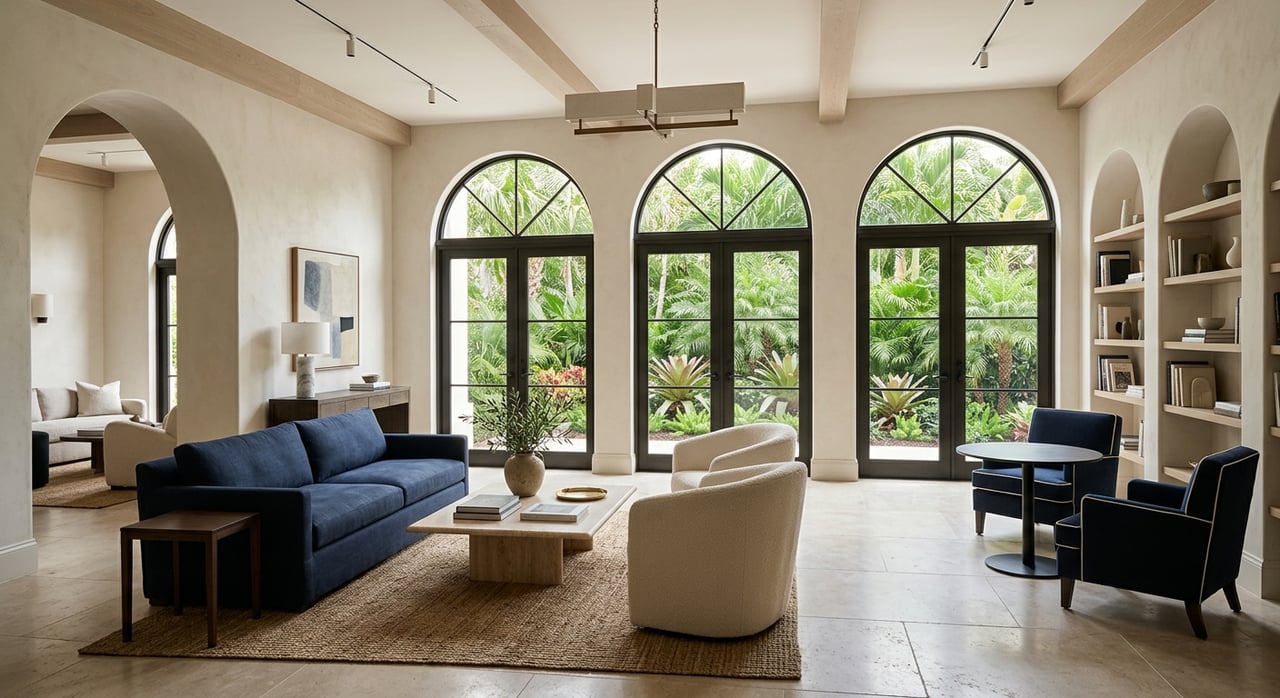
If you are considering a Palm Beach condo, the pool, lobby, fitness room, and outdoor spaces can tell you a lot about more than style. They can reveal how a condo board plans, budgets, communicates, and protects long-term value. If you know what to look for, you can read an amenity renovation as a sign of governance quality, not just design taste. Let’s dive in.
In Palm Beach, amenity updates often sit at the intersection of lifestyle and asset stewardship. A refreshed lobby or redesigned pool deck can improve daily use, but it can also signal whether a building is thinking ahead about maintenance, funding, and owner communication.
That matters because condo boards in Florida manage association affairs, maintain property, enforce governing documents, and make project decisions while serving in a fiduciary role to unit owners. In other words, amenity renovations are rarely just cosmetic. They are usually part of a larger board process that affects both resident experience and buyer confidence.
Florida law gives condo declarations the first say in how common-area projects are approved. If the declaration does not spell out the process, then a material alteration or substantial addition generally requires approval from 75 percent of the total voting interests before work begins.
For Palm Beach condos, that threshold can become relevant for projects like lobby overhauls, clubhouse changes, or major pool-deck redesigns. If you are reviewing a building, it is helpful to understand whether the work was treated as routine maintenance, a replacement, or a more significant common-element change.
Amenity planning also has to fit within Florida’s reserve rules. For condominium buildings three habitable stories or higher, a structural integrity reserve study, or SIRS, must identify reserve components, remaining useful life, replacement cost or deferred maintenance expense, and a reserve funding plan.
For budgets adopted on or after December 31, 2024, associations that must obtain a SIRS may not vote to underfund required reserve items, except in narrow situations tied to recent milestone-inspection repairs. In practical terms, that means boards often have less flexibility to treat amenity upgrades as separate from the building’s broader capital obligations.
Most successful amenity renovations follow a fairly disciplined sequence. The board starts with scope and preliminary budget, then brings in an architect, engineer, or construction consultant to prepare plans, organize bidding, compare proposals, and monitor quality through completion.
This approach matters because it reduces guesswork. In a building where design, pricing, and execution are clearly staged, owners and buyers can more easily follow how the project was conceived and how the board managed cost and disruption.
One of the clearest patterns in Florida condo projects is the value of front-loading design. Plans and specifications should be developed before contractor pricing is finalized, not while construction is already underway.
That may sound obvious, but it is one of the biggest dividing lines between a well-run project and an expensive one. When a board bids incomplete plans, change orders and resident disruption often rise.
In some Palm Beach buildings, boards form design committees to help guide the look and feel of a renovation. That can be especially useful for high-visibility spaces like lobbies, pool areas, and club rooms where materials, lighting, and layout influence the building’s overall presentation.
A Palm Beach high-rise lobby renovation described in Florida community-association guidance used a five-member design committee, hired design professionals, and later relied on a clerk of the works to handle bid meetings, invoice review, and weekly construction meetings. The broader lesson was simple: piecemeal renovation tends to increase both cost and disruption.
On Palm Beach Island, boards do not renovate in a vacuum. The Town has construction working-hour rules and seasonal no-work dates designed to manage traffic and quality of life.
That means scheduling is not just a contractor issue. It is a strategic issue. If a lobby refresh or pool renovation overlaps with peak occupancy or seasonal restrictions, the owner experience can change significantly.
Some projects also face Town development review. Depending on the building and scope, review may involve the Architectural Commission, the Landmarks Preservation Commission, or the Town Council for matters such as variances, special exceptions, or site-plan review.
The Town also states that all exterior work in a condo unit or building requires a condo approval letter. If work touches the right-of-way or a flood zone, separate permits or supporting documents may also be required.
In today’s market, amenity wish lists often compete with higher-priority building work. Palm Beach milestone-inspection rules for condos and co-ops three stories or more require a Phase 1 milestone inspection within 180 days of notice, and if Phase 2 identifies substantial structural deterioration, repairs must commence within 365 days after the Town receives the report.
That deadline can reshape a board’s capital plan. A board may still want a lobby or outdoor refresh, but structural work and reserve obligations often move to the front of the line.
If you are evaluating a Palm Beach condo, the project history often matters as much as the finished amenity. The most useful record trail shows how the board moved from idea to execution.
Look for a timeline that feels logical and complete. In many cases, strong records will show:
When that record exists, you gain a clearer sense of whether the board was planning thoughtfully or reacting in real time.
Florida law treats many renovation-related materials as official records. That includes minutes of association, board, and committee meetings, budgets, bids, contracts, insurance policies, building permits, milestone inspection reports, and structural integrity reserve studies.
Owners can inspect records within 10 working days after a written request. Associations with 25 or more units must also maintain a website or app and post many records online, including meeting notices, minutes, permits, and the most recent SIRS.
If records are hard to obtain, that can tell you something important. Florida requires timely access, and weak transparency may be just as revealing as an unfinished amenity program.
You should pay close attention if you see missing minutes, no contractor bids, repeated emergency-only fixes, unclear reserve funding, or a pattern of change orders that suggests the project was still being designed after construction started. Those issues do not automatically mean a building is poorly run, but they do merit closer review.
When a Palm Beach condo board handles amenity renovations well, the finished result is usually more than attractive. It suggests a building that can align design goals with budgeting, permitting, inspection requirements, and owner communication.
For design-conscious buyers, that matters. A polished common area is appealing, but a building with a documented, orderly approach to upgrades often offers something more valuable: confidence that the property is being stewarded with care.
If you are comparing condos on Palm Beach Island, try viewing amenity renovations through two lenses at once. First, ask whether the design feels cohesive and durable. Second, ask whether the board’s process appears clear, funded, and well documented.
That combination often separates a one-time cosmetic refresh from a building with a multi-year strategy. In a market where presentation matters, governance still leaves the deepest imprint on long-term value.
If you want help evaluating how a building’s amenity history may affect marketability, buyer confidence, or resale positioning, Sharon Sweet offers a private, highly tailored perspective shaped by Palm Beach condominium experience and design-led strategy.
Stay up to date on the latest real estate trends.
With unmatched creativity, negotiation skills, and dedication, Sharon is ready to guide you through every step of your real estate journey.
Sharon Sweet
Address 340 Royal Poinciana Way Ste M314 Palm Beach FL 33480