Moving From A Single‑Family Home To A Palm Beach Condo
June 25, 2026
June 25, 2026
Are you thinking about trading a larger house for a Palm Beach condo? For many homeowners, that move is not really about giving up space. It is about gaining ease, convenience, and a home that better fits how you want to live now. If you are considering this shift, understanding the lifestyle, financial, and building-level differences can help you make the move with confidence. Let’s dive in.
Moving from a single-family home to a condo is often an emotional decision as much as a practical one. AARP’s 2024 Home and Community Preferences Survey found that 75% of adults age 50 and older want to remain in their current homes as they age, which helps explain why downsizing can feel significant.
If you have spent years in a house, you may be leaving behind more than extra bedrooms or a yard. You may also be leaving routines, responsibilities, and a version of home that was built for a different season of life. In Palm Beach, condo living often offers a more intentional way to live, with fewer day-to-day property demands.
In a single-family home, much of the maintenance falls directly on you. In a Florida condominium, the association is responsible for maintaining the common elements, and common expenses may include repair, replacement, security, transportation services, and in-house communications.
That means your monthly fee is part of the ownership model, not just an added expense. You are paying into a shared system that handles many of the tasks you once managed on your own. For many buyers, that trade feels worthwhile when it supports a lower-maintenance lifestyle.
Before you focus only on square footage, ask yourself how you want your days to feel. Do you want fewer chores, less exterior upkeep, and more time to enjoy your surroundings? If so, a condo may offer a better fit than a larger home that asks more of your time and energy.
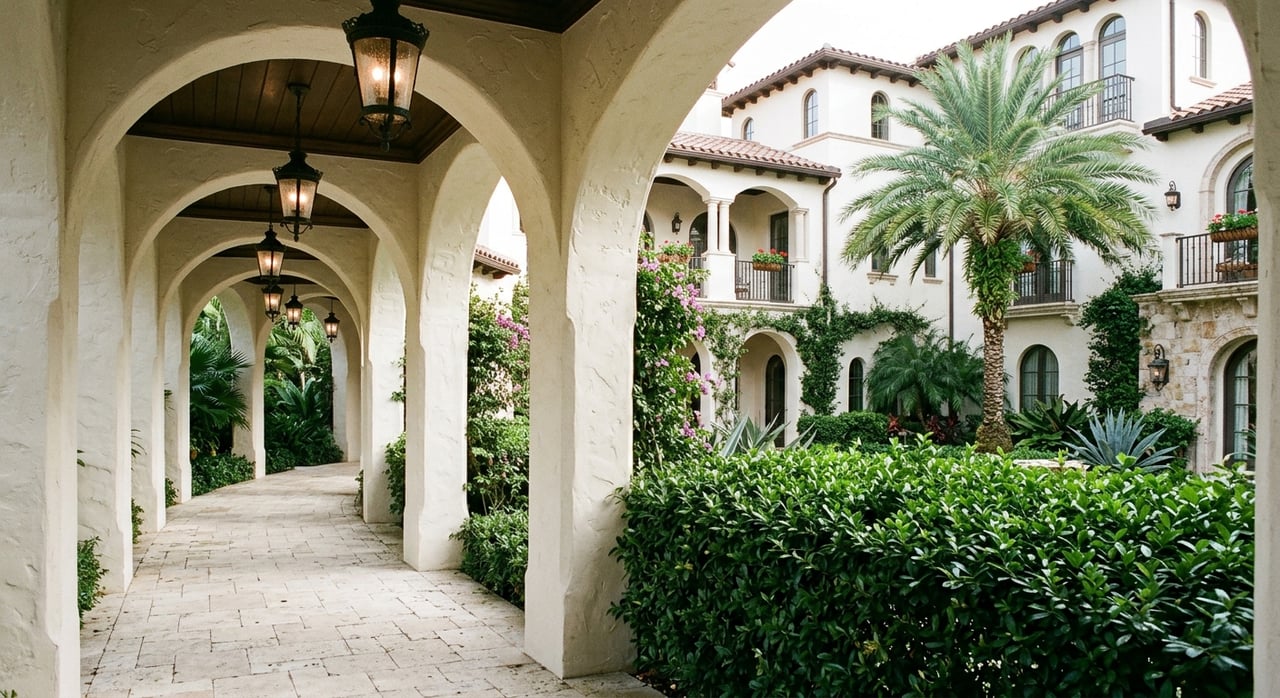
This is especially true in Palm Beach, where many buyers value turnkey convenience and well-managed buildings. The right condo should support your routines, not complicate them.
When you buy a condo in Palm Beach, you are buying both an individual residence and a share of the building’s overall health. That makes due diligence a central part of the process.
Florida’s post-Surfside condo rules have made building review even more important. State law requires milestone inspections for buildings three habitable stories or higher at 30 years and every 10 years after that, with some local enforcement agencies able to require the first inspection at 25 years.
Florida also requires a Structural Integrity Reserve Study, or SIRS, for residential condominium associations with buildings that are three stories or higher. According to the Florida Department of Business and Professional Regulation, unit-owner-controlled associations existing on or before July 1, 2022, must have a SIRS completed by December 31, 2025.
A beautiful unit is only part of the picture. You also want clarity on the building’s financial and physical condition.
Ask to review:
Florida law requires condominium associations to maintain official records, and inspection reports and reserve studies are part of the documentation that should be available to purchasers. In practical terms, this review helps you understand whether the building is being responsibly maintained and funded.
For budgets adopted on or after December 31, 2024, associations subject to SIRS generally may not waive or reduce reserve funding for covered structural items. That is one reason monthly fees deserve careful review.
A higher monthly fee is not always a negative. In some cases, it reflects a building that is actively funding its long-term responsibilities. The key is understanding what the fee covers, how reserves are being handled, and whether special assessments may still be on the horizon.
One of the biggest challenges in moving from a house to a condo is not the move itself. It is deciding what comes with you.
AARP describes downsizing as a life transition, not just a logistics project. That rings especially true in Palm Beach, where many buyers want a home that feels refined and comfortable rather than crowded with pieces from a larger property.
The most successful moves start well before moving day. Instead of packing everything and sorting later, begin by editing your belongings room by room.
A useful approach is to separate items into clear groups:
This process can feel exhausting, but it also creates clarity. Many homeowners find that letting go of pieces that no longer fit their next chapter makes the new home feel lighter and more intentional.
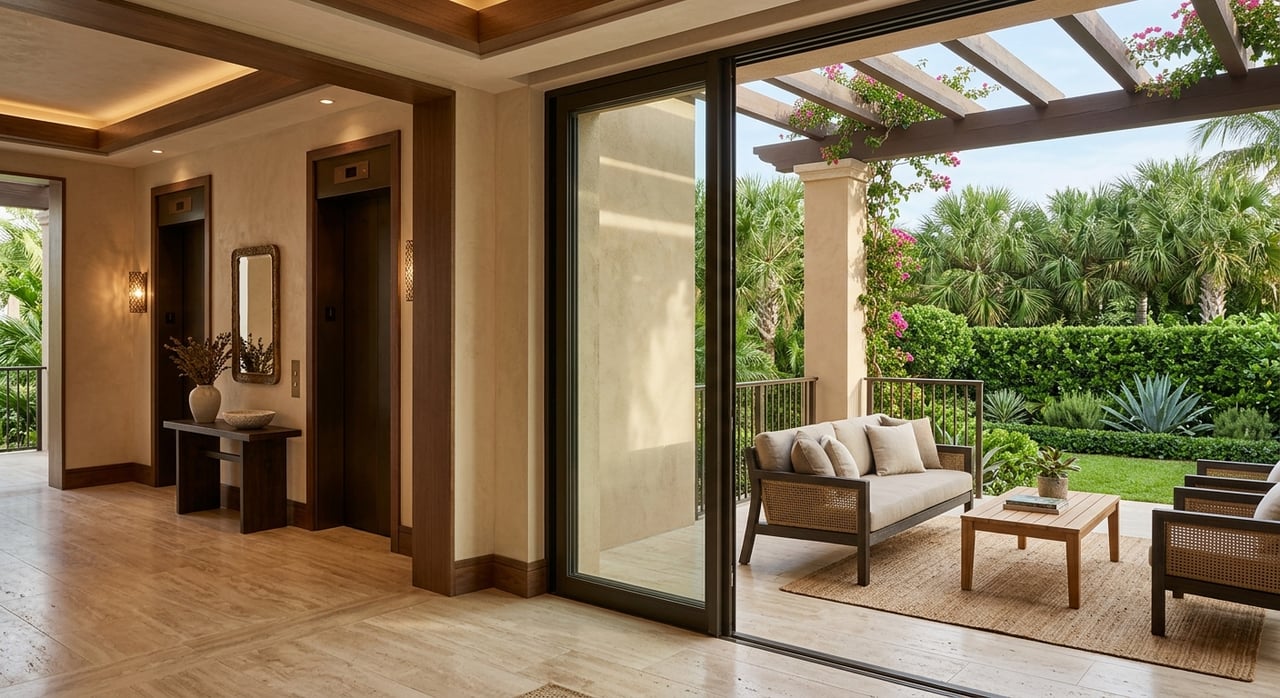
Do not assume your current furniture will translate easily into a condo layout. Measure key pieces and compare them with the dimensions of your new rooms, entryways, elevators, and storage areas.
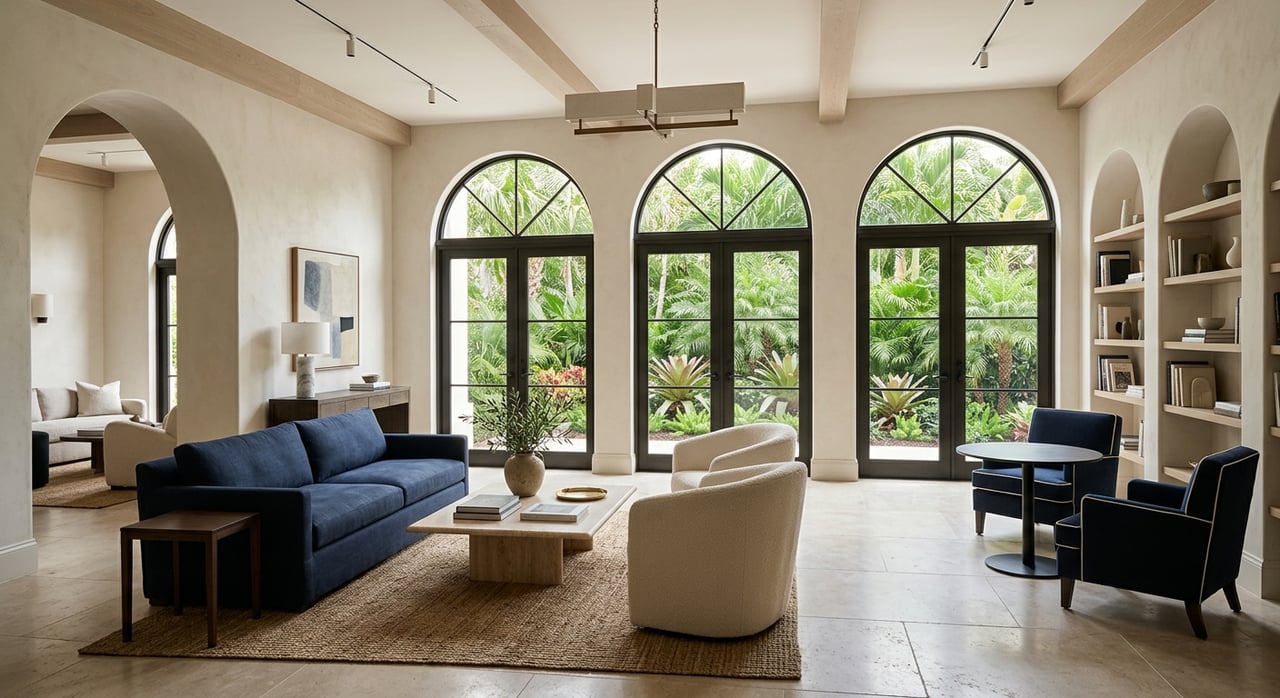
In many Palm Beach condos, fewer well-scaled pieces create a more polished result than trying to recreate every room from a larger house. A curated layout usually feels better than a crowded one.
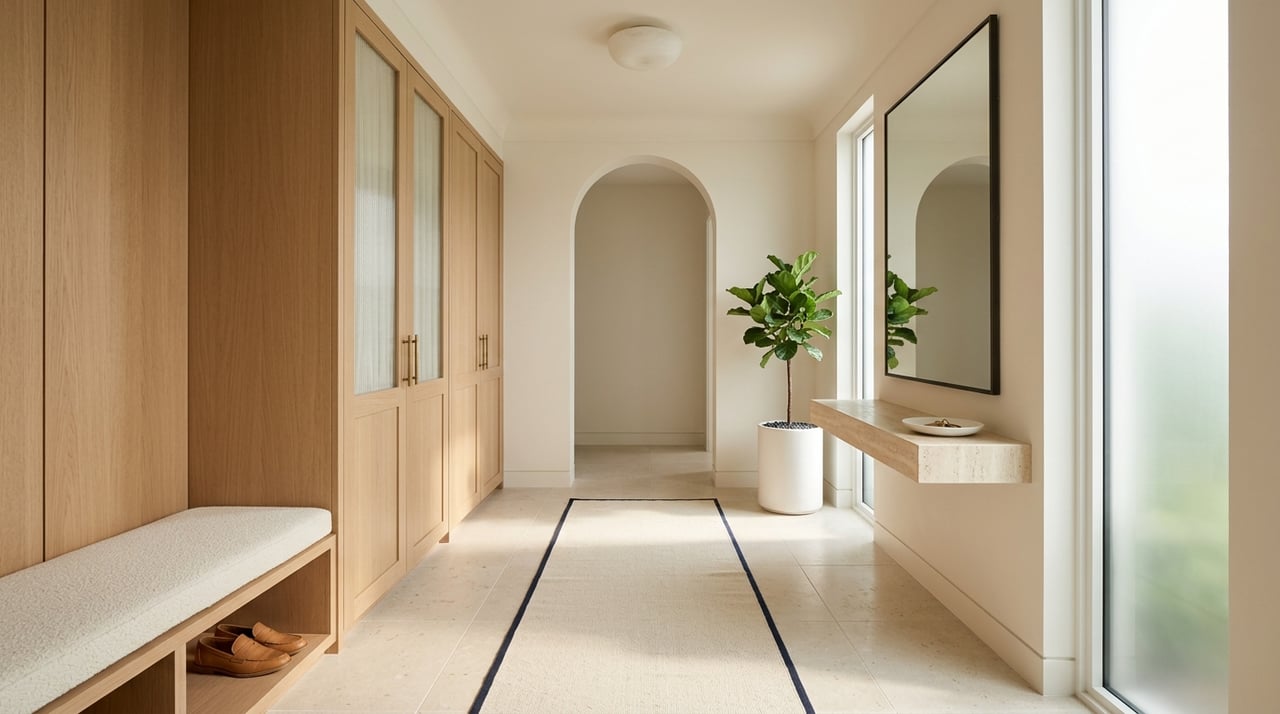
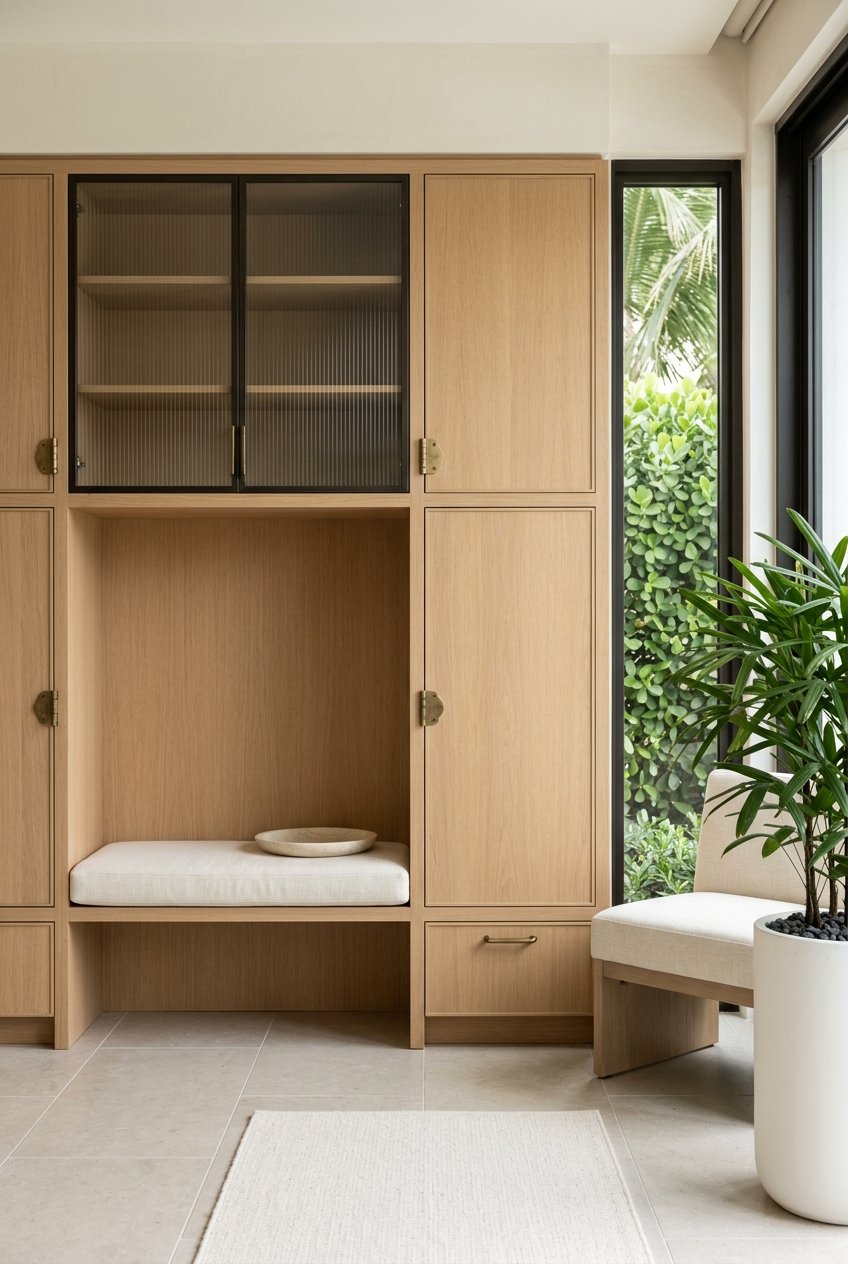
Storage matters more in condo living because every inch works harder. Hidden storage, closet systems, benches, built-ins, and off-site storage for seasonal or sentimental items can make a smaller footprint feel calm and usable.
This is where thoughtful planning pays off. When storage is considered early, your new condo can feel edited and elevated rather than tight on space.
On Palm Beach Island, condo ownership comes with local realities that are worth understanding before you move. One of the biggest is storm readiness.
The Town of Palm Beach has a hurricane access protocol that restores island access in phases after a storm. In Phase II, residents and business owners with a valid government-issued ID showing a Town address may enter, and condominium building managers with proper identification may return to restore power to elevators.
A condo can simplify some aspects of property ownership, but it also means you are part of a shared building system. Ask how the building communicates during storms, what access procedures look like after an event, and how building management handles recovery logistics.
These questions are especially important if you are used to controlling every detail of a single-family property. In a condo, preparedness often depends on building organization as much as personal planning.
If you are wondering whether moving to a condo means stepping into a niche market, the answer is no. Palm Beach County’s Property Appraiser reports 186,199 condominium units and 387,771 single-family parcels.
That local context matters. Condo ownership is a major part of the housing mix here, and many buyers intentionally choose it for convenience, location, and building-level amenities and services.
If the Palm Beach condo will become your primary residence, make sure you understand the homestead timeline. Florida’s homestead application is due by March 1 for a January 1 residency date.
The Palm Beach County Property Appraiser also notes that homeowners who moved from one Florida homestead to another within the last three years may be eligible to carry some Save Our Homes savings with them. For buyers making a primary-residence move, this is an important part of the planning process.
The best move from a single-family home to a Palm Beach condo starts with the right questions. You want to know how you want to live, what you want to keep, and whether the building itself supports the ease and stability you are looking for.
This is where design, governance, and lifestyle come together. A well-chosen condo should feel not like a compromise, but like a more considered fit for your next chapter.
If you are weighing a move to Palm Beach condo living, a thoughtful plan can make all the difference. For a private, design-conscious consultation, connect with Sharon Sweet.
Stay up to date on the latest real estate trends.
With unmatched creativity, negotiation skills, and dedication, Sharon is ready to guide you through every step of your real estate journey.

Sharon Sweet
Address 340 Royal Poinciana Way Ste M314 Palm Beach FL 33480