Thinking about refreshing your building’s amenities but not sure which upgrades actually move the needle in Palm Beach? You want results that show up in faster absorption, stronger pricing, and fewer buyer objections, without taking on unnecessary risk or delays. In this guide, you’ll get a clear, Palm Beach–specific playbook for the upgrades that lift condo values, the local constraints that shape ROI, and a step-by-step way to plan, fund, and execute improvements. Let’s dive in.
Why amenities matter in Palm Beach
Palm Beach Island is a luxury, high-price-per-square-foot market with affluent seasonal and international buyers. Expectations run high for finishes, service, and design cohesion. That means amenity quality becomes a visible proxy for building health.
Seasonality also matters. Activity concentrates in the high season, so amenities that enhance the seasonal lifestyle, such as refined lounges for entertaining or well-managed pool decks, can convert showings into offers. Because the island has strict codes, flood and wind requirements, and pockets of historic review, planning and permitting affect cost and timelines, and in turn, your ROI.
Highest-impact upgrades on the island
Below are the amenity categories that most often influence pricing and absorption for Palm Beach condominiums, including common cost drivers, key local considerations, and buyer impact.
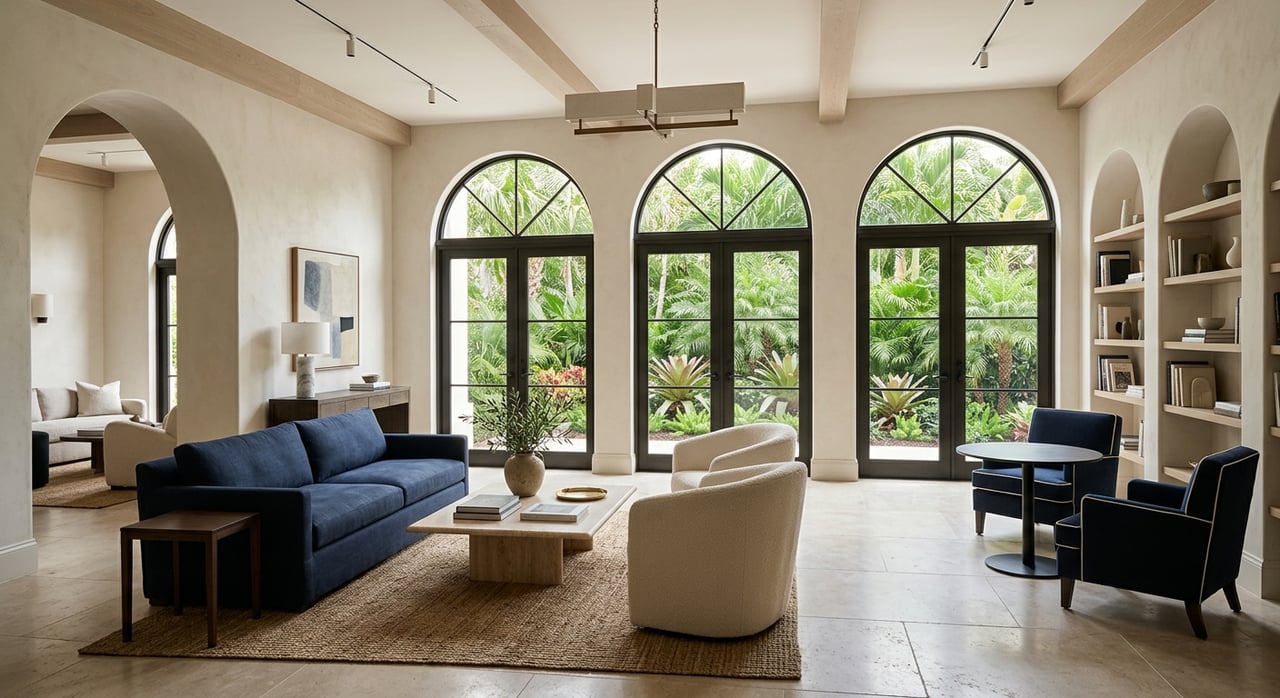
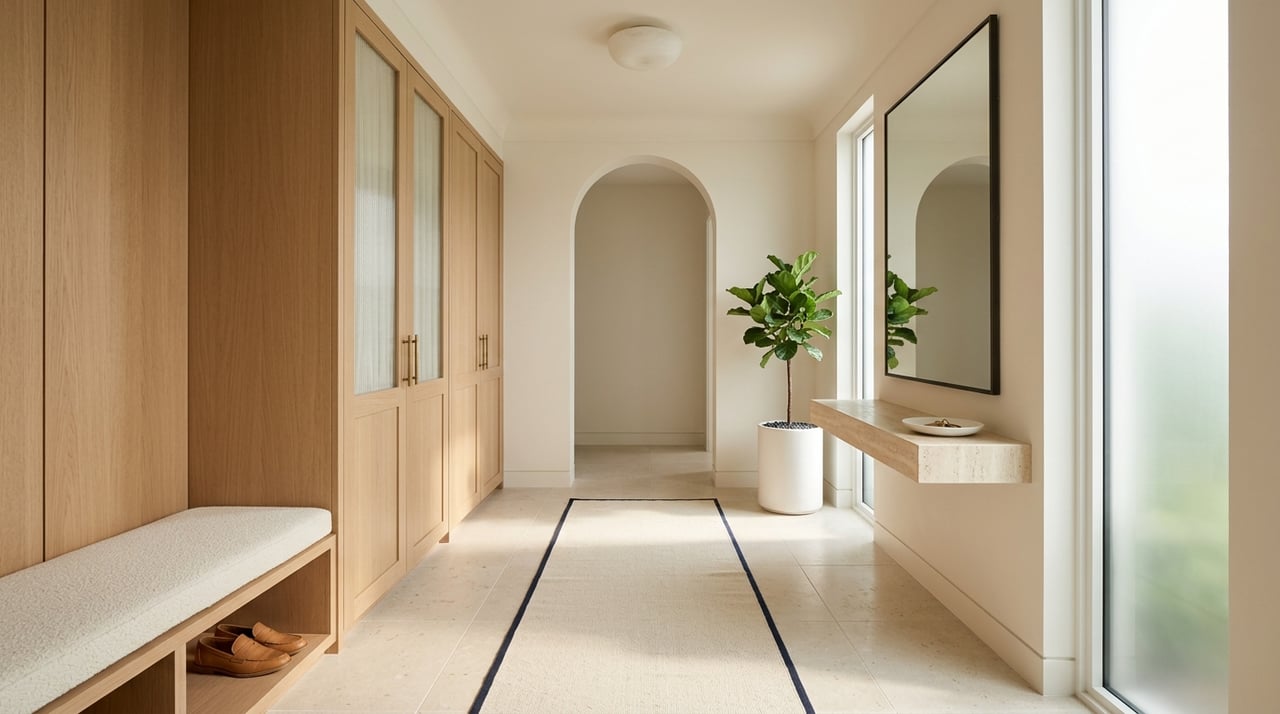
Lobby and lounge redesign
- What to improve: Arrival sequence, concierge desk, seating zones, lighting, art, impact-rated glazing near oceanfront, air quality, and security integration. Add flexible co-working or quiet alcoves where space allows.
- Local constraints: Salt-air–resistant materials, ADA improvements, fire egress and smoke control, and potential historic review. Custom millwork and security hardware can drive cost.
- Buyer impact: Strong. First impressions set the tone for luxury buyers, and a well-executed lounge makes listings feel turnkey and current.
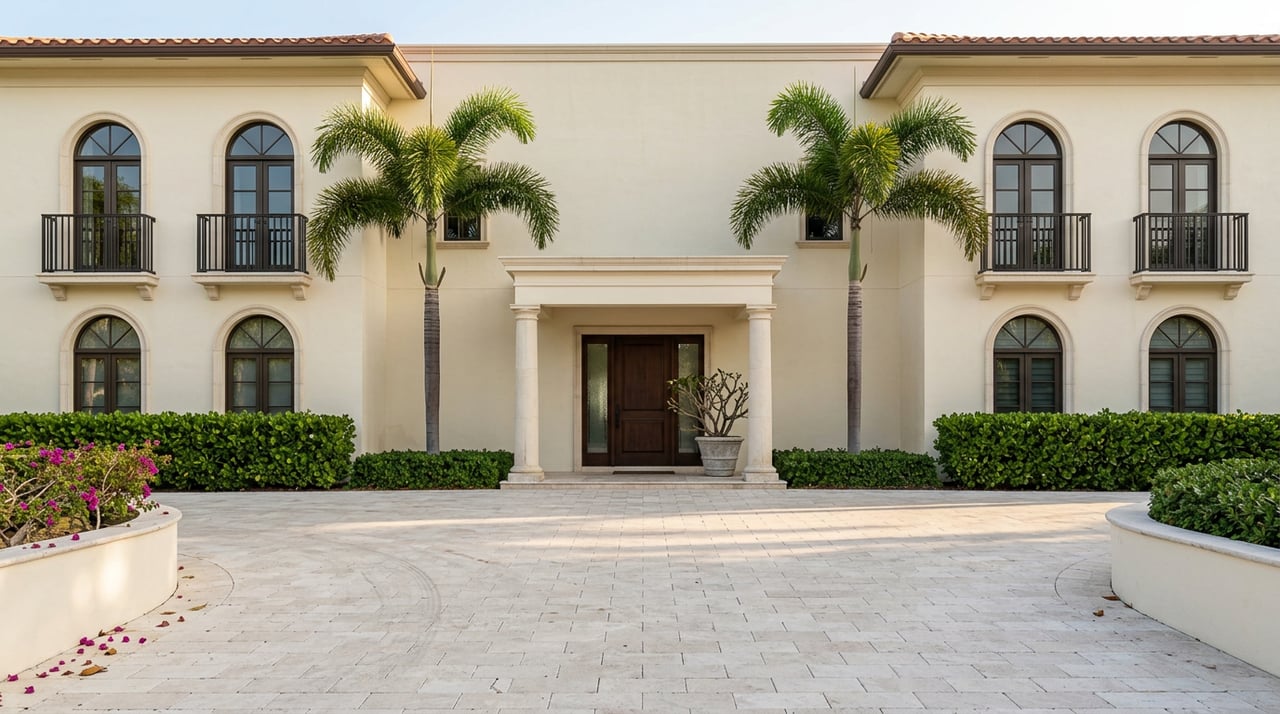
- Board takeaway: Coordinate lobby work with visible entry elements, such as porte-cochère and landscape lighting, to amplify perceived quality.
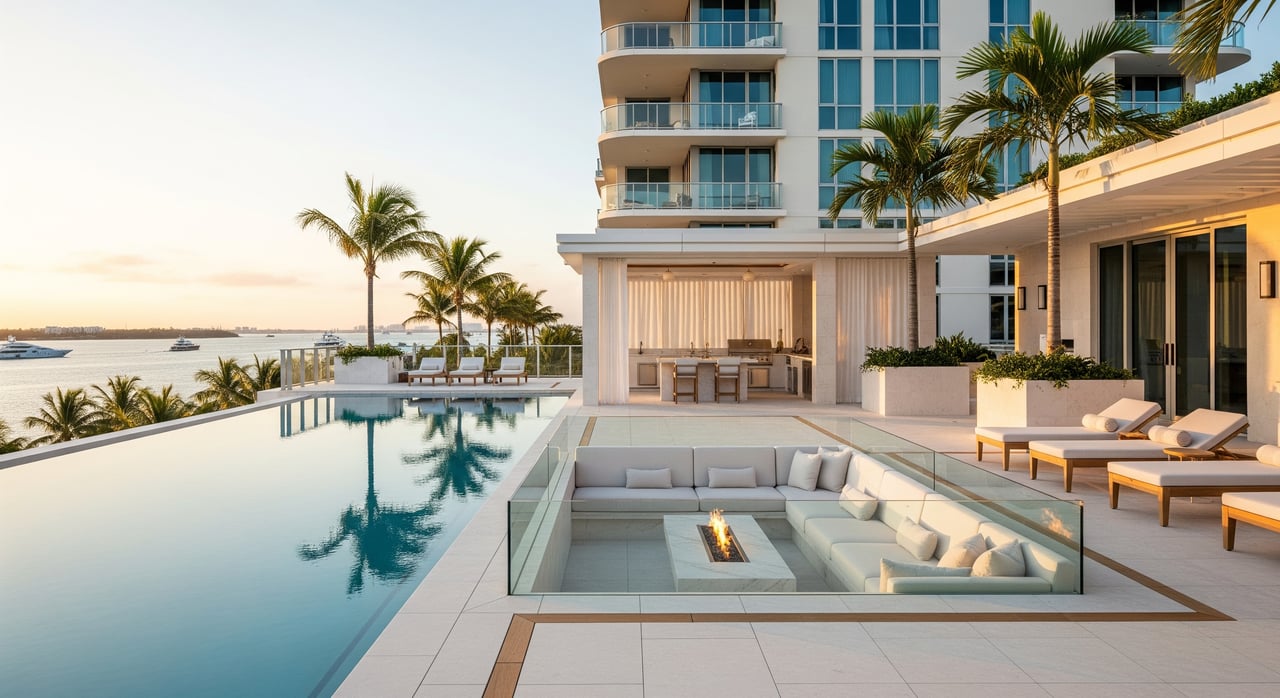
Pool deck refreshes
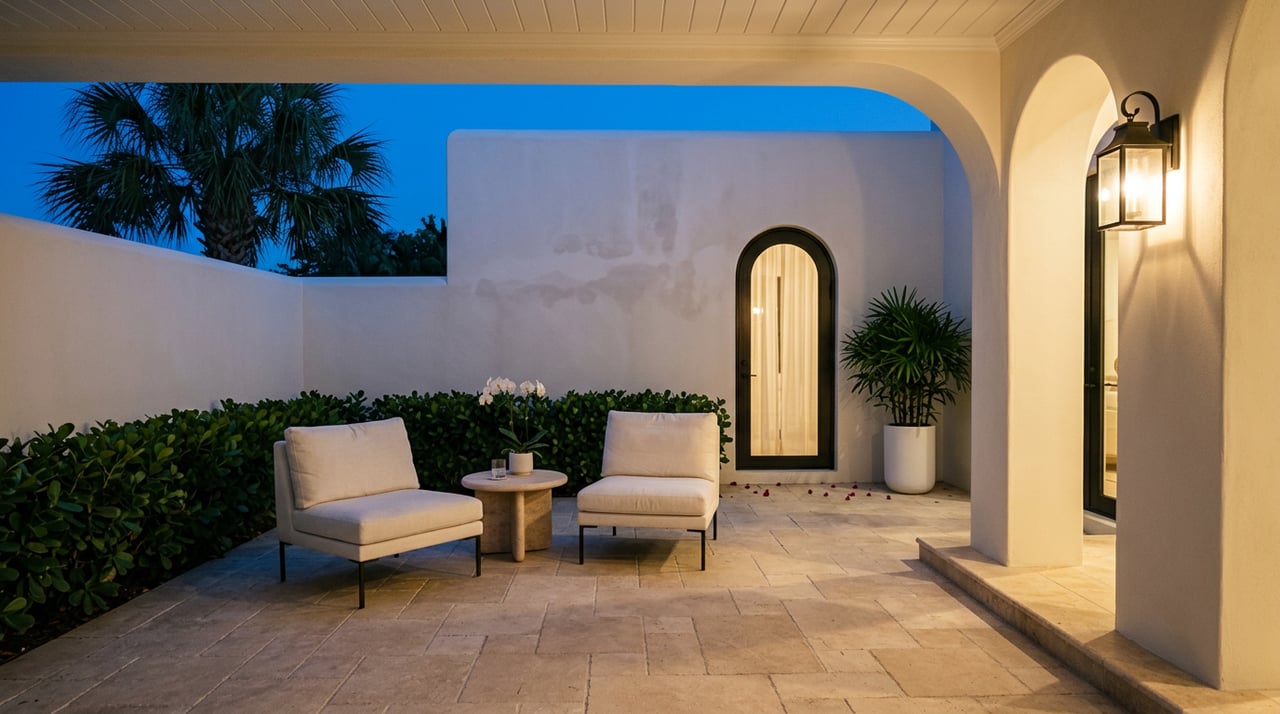
- What to improve: Non-slip surfaces, new coping and tile, shade structures rated for coastal winds, upgraded filtration, outdoor kitchens or bar areas, cabanas, and evening lighting.
- Local constraints: Salt corrosion, drainage and stormwater considerations, equipment protection above flood elevation, and ADA lifts where needed.
- Buyer impact: High. Waterfront pools and well-kept terraces help justify HOA dues and reduce buyer objections about deferred maintenance.
- Board takeaway: Focus on shade, social seating, and safety. Novelty fades, so quality and durability are more important than novelty finishes.
Fitness and spa updates
- What to improve: Modern cardio and strength equipment, studio space for yoga or on-demand classes, acoustics, resilient flooring, and humidity-controlled HVAC. Where justified, add sauna or steam.
- Local constraints: Ventilation and moisture control are critical. Wet areas need robust waterproofing and drainage, plus ADA access.
- Buyer impact: High. Many buyers view an in-building gym as essential. Spa components appeal to a smaller, luxury subset but elevate perceived value.
- Board takeaway: A compact, well-curated gym with clean design and reliable equipment can outperform a larger but dated facility.
EV charging installations
- What to improve: Level 2 chargers with load management, future conduit runs, and clear billing or metering for owners and guests. Reserve DC fast charging for commercial contexts.
- Local constraints: Utility coordination, panel or transformer upgrades, garage salt exposure, and hurricane-resistant pedestals. Parking allocation should align with association documents and Florida law.
- Buyer impact: Rising. EV readiness removes friction for high-end buyers and widens the pool of prospects.
- Board takeaway: Build for expansion with a fair-use billing model. This reduces the risk of demand outpacing capacity.
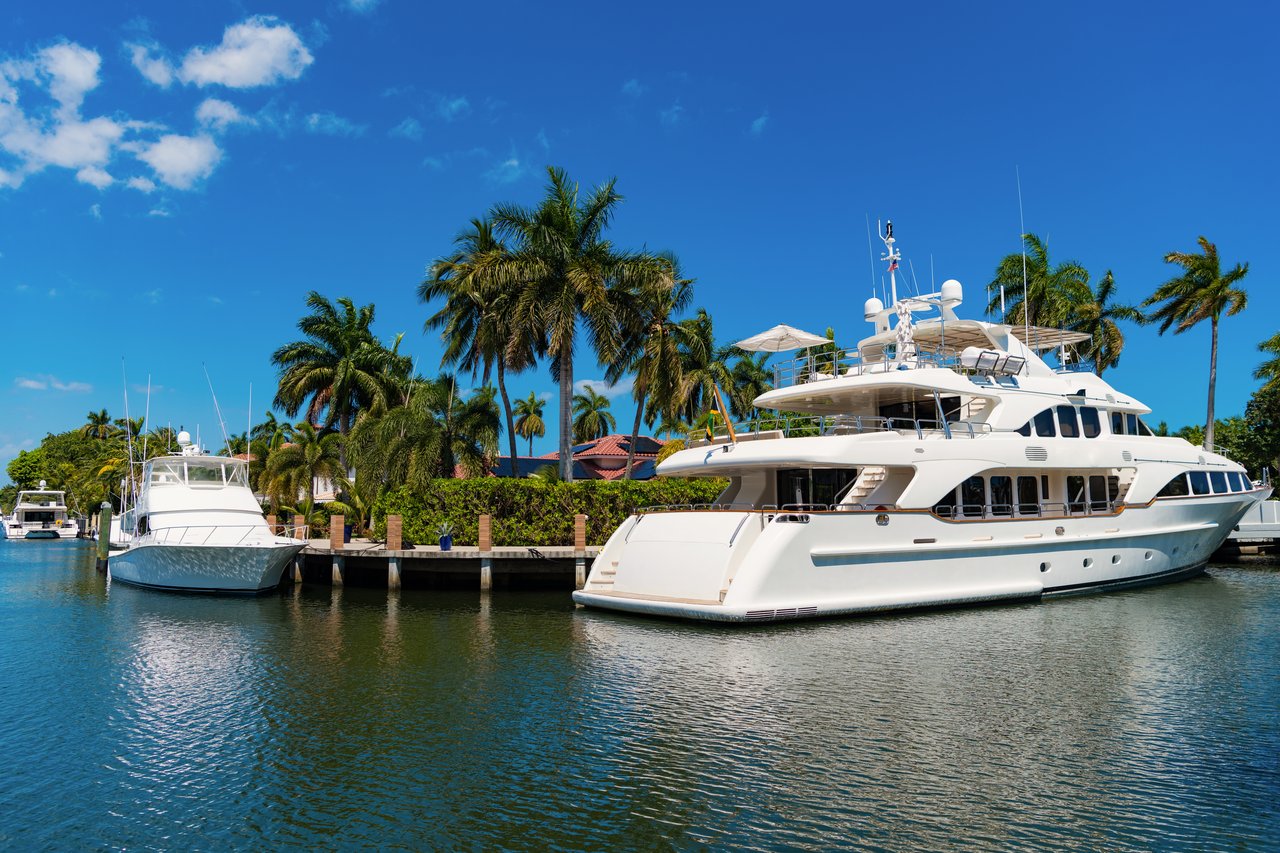
Marina and dock improvements
- What to improve: New decking, slips, piling, shore power, metered water, enhanced security lighting, and dredging if required.
- Local constraints: Multi-agency marine permitting, environmental mitigation, and hurricane engineering. Expect longer lead times and higher soft costs.
- Buyer impact: Very high for boat owners. Reliable slips and utilities materially influence valuations in waterfront buildings.
- Board takeaway: Marina projects can be transformative, but they require careful sequencing, contingency budgeting, and specialized marine contractors.
Landscape and exterior lighting
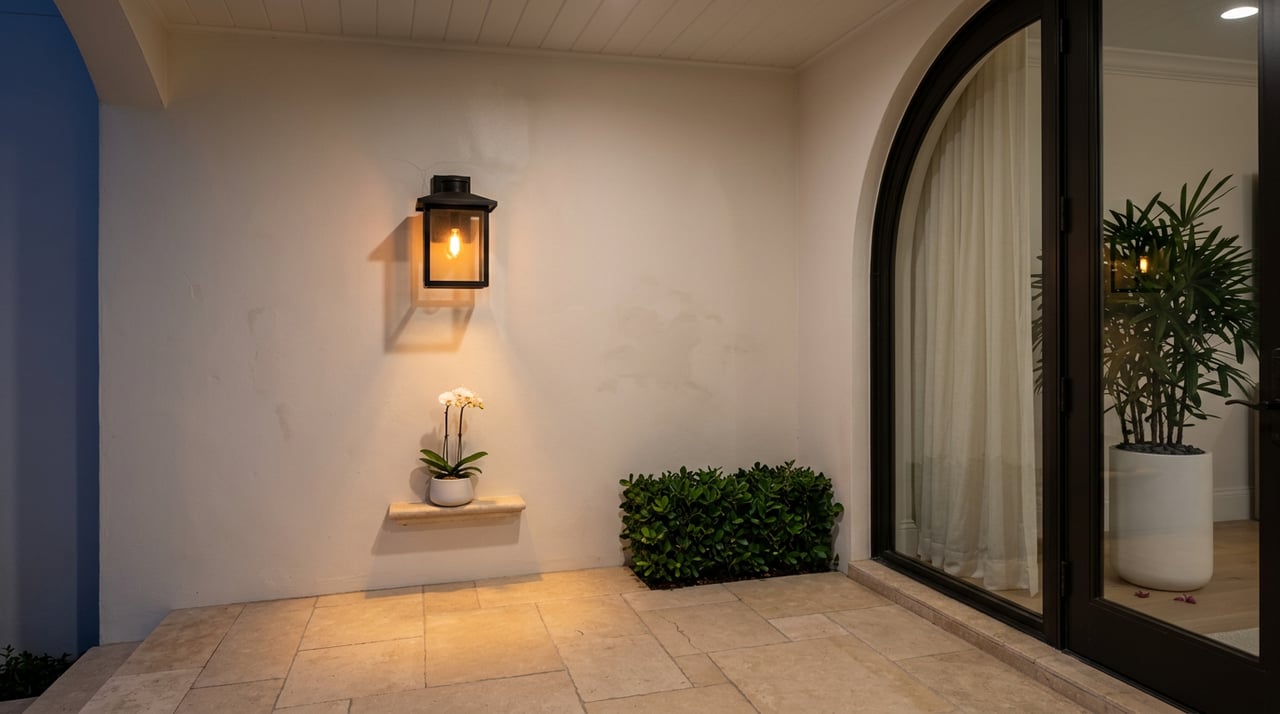
- What to improve: LED uplighting for landscape and façade, pathway lighting, low-voltage control systems, and accent lighting at entries and waterfront edges.
- Local constraints: Coastal-grade fixtures, dark-sky and neighbor considerations, and, in select areas, historic review.
- Buyer impact: Moderate cost, strong visual return. Lighting enhances curb appeal, perceived safety, and evening use of outdoor spaces.
- Board takeaway: Treat lighting as a fast-impact layer that magnifies the value of lobby, pool, and façade work.
Build your ROI case
A structured approach keeps the conversation fact-based and owner-friendly.
Step 1: Define goals and buyers
Clarify whether you aim to increase sale prices, reduce days on market, improve rental yield, address safety, or reduce maintenance. Define the target buyer profile, for example seasonal luxury, downsizers, or boating enthusiasts.
Step 2: Pick measurable KPIs
Track before and after metrics such as days on market, showings and offers per listing, price premium compared with similar buildings, changes to HOA tolerance, and maintenance cost shifts. For buildings with revenue elements, also track common-area income, such as cabana or marina fees.
Step 3: Price the full lifecycle
Develop a realistic cost model that includes design, engineering, permitting, construction, furnishings, and a 10 to 20 percent contingency for coastal variables. Factor in accelerated maintenance cycles from salt air and humidity, plus soft costs like legal review and reserve study updates.
Step 4: Map value channels
Value shows up through price premiums, faster absorption, and operating income where relevant. Better amenities often reduce buyer objections and inspection issues tied to aging common areas, which supports firmer pricing during negotiations.
Step 5: Run scenarios
Model best case, baseline, and downside, including delays or overruns. Use conservative comps and be explicit about assumptions so owners understand both upside and risk.
Step 6: Plan timeline and risk
Identify permitting paths, hurricane season scheduling, specialty material lead times, and any Florida Condominium Act voting thresholds. Outline phasing to keep key amenities usable during high season when possible.
Governance and funding essentials
Amenity projects live or die on process. Get the structure right and the vote gets easier.
Funding options
- Reserves: Appropriate for planned renewals and smaller upgrades. Maintain transparency with owners about reserve adequacy.
- Special assessments: Align with Chapter 718 notice and voting rules. Clear visuals and cost breakdowns help owners understand the tradeoffs.
- Loans: Useful to preserve reserves, but add interest expense. Many associations blend loans with reserves and assessments.
- Incentives: Explore local utility programs for EV infrastructure and energy-efficiency measures.
Insurance and liability
Upgrades can change replacement cost, exposure, and policy needs. Marina and pool work may require updated liability coverage and revised rules or waivers. EV installations and electrical upgrades often need additional equipment coverage. Coordinate early with the carrier.
Procurement and project management
Select contractors with proven coastal and, where applicable, marine experience. Require performance bonds on significant scopes. Lock in warranties and preventive maintenance schedules, and plan phased access to maintain livability during high season.
Communication and owner buy-in
Owners respond to clarity. Provide renderings, samples, a concise budget range with contingencies, comparative comps, and a simple story of why the upgrade supports resale values. A steady cadence of updates builds trust.
Quick wins for this season
If you want visible improvement before peak showings, start here:
- LED landscape lighting: Coastal-grade uplights and path lights create instant evening appeal at moderate cost.
- Pool furniture refresh: High-quality fabrics and shade solutions signal care and extend the season’s usability.
- Lobby styling: Art curation, floral program, and wayfinding can deliver a crisp, elevated arrival while larger work is planned.
- Fitness tune-up: Replace worn pieces, add on-demand content, and improve acoustics before investing in full build-out.
- EV readiness plan: Prewire select spaces and publish a clear policy for owners and guests.
Sample 12-month roadmap
- Months 1 to 3, discovery: Define objectives and KPIs, engage design and engineering, confirm permitting paths, and update the reserve study.
- Months 4 to 6, approvals: Finalize scope, bid trusted coastal or marine contractors, secure owner vote if needed, and order long-lead materials.
- Months 7 to 9, phase one: Execute quick wins, start lobby or fitness upgrades that minimize disruption, and implement landscape lighting.
- Months 10 to 12, phase two: Complete pool deck or marina scopes timed around hurricane season and resident use, then commission systems and train staff.
Palm Beach checklists
Use these checklists to keep your project aligned and defensible.
Pre-project checklist
- Define target buyers and measurable KPIs.
- Confirm governance thresholds and legal review requirements.
- Sketch budget ranges with contingency and lifecycle costs.
- Validate permitting and historic review needs early.
- Update reserves and insurance valuations.
- Build a visual communications plan for owners.
Construction checklist
- Protect finishes against salt and humidity during work.
- Keep priority amenities accessible where safe.
- Commission MEP systems, train staff, and publish user guides.
- Record warranties and schedule preventive maintenance.
Post-project checklist
- Refresh marketing materials to showcase new amenities.
- Track KPIs for at least one peak selling season.
- Update reserves, insurance, and replacement schedules based on actual equipment and materials.
Final thoughts
In a design-savvy, seasonal market like Palm Beach, the right amenity strategy can elevate your building from “nice” to truly desirable. Focus on upgrades that are visible, durable, and aligned with your target buyer, and plan with the island’s regulatory and climate realities in mind. When the arrival experience, pool terrace, and daily-use amenities feel considered and current, you earn pricing power and shorten time on market.
If you’d like a tailored assessment of which upgrades will lift value in your specific building, schedule a private consultation with Sharon Sweet. Sharon combines design-led merchandising with board-level renovation experience to guide you from concept to measurable results.
FAQs
Which amenities most often raise Palm Beach condo values?
- Lobby and lounge upgrades, refreshed pool decks, modern fitness studios, EV charging, and marina improvements typically have the clearest impact on buyer perception and absorption.
How should a board prioritize between aesthetics and function?
- Choose based on your target buyer, waterfront and marina users value slips and shore power, while most owners expect a polished lobby, reliable gym, and EV readiness.
What makes Palm Beach projects different from other markets?
- Strict codes for wind and flood, potential historic review, salt-air corrosion, and hurricane season scheduling all affect scope, cost, and timing.
Do marina upgrades reliably pay back?
- They can be transformative for boat-owning buyers, but marine permitting and construction are complex, plan carefully, budget contingencies, and model multiple ROI scenarios.
Are there quick wins before peak season?
- Yes, LED landscape lighting, new pool furniture and shade, lobby styling, selective fitness equipment upgrades, and EV prewiring create fast, visible results.
What KPIs should we track post-upgrade?
- Days on market, price premium versus comparable buildings, showings and offers per listing, maintenance cost shifts, and common-area income where applicable.
How do Florida condo rules affect projects and funding?
- The Florida Condominium Act governs board powers, reserve use, voting thresholds, and special assessments, align your process with counsel before seeking owner approvals.