Comparing Oceanfront and Intracoastal Condos in Palm Beach
February 12, 2026
February 12, 2026
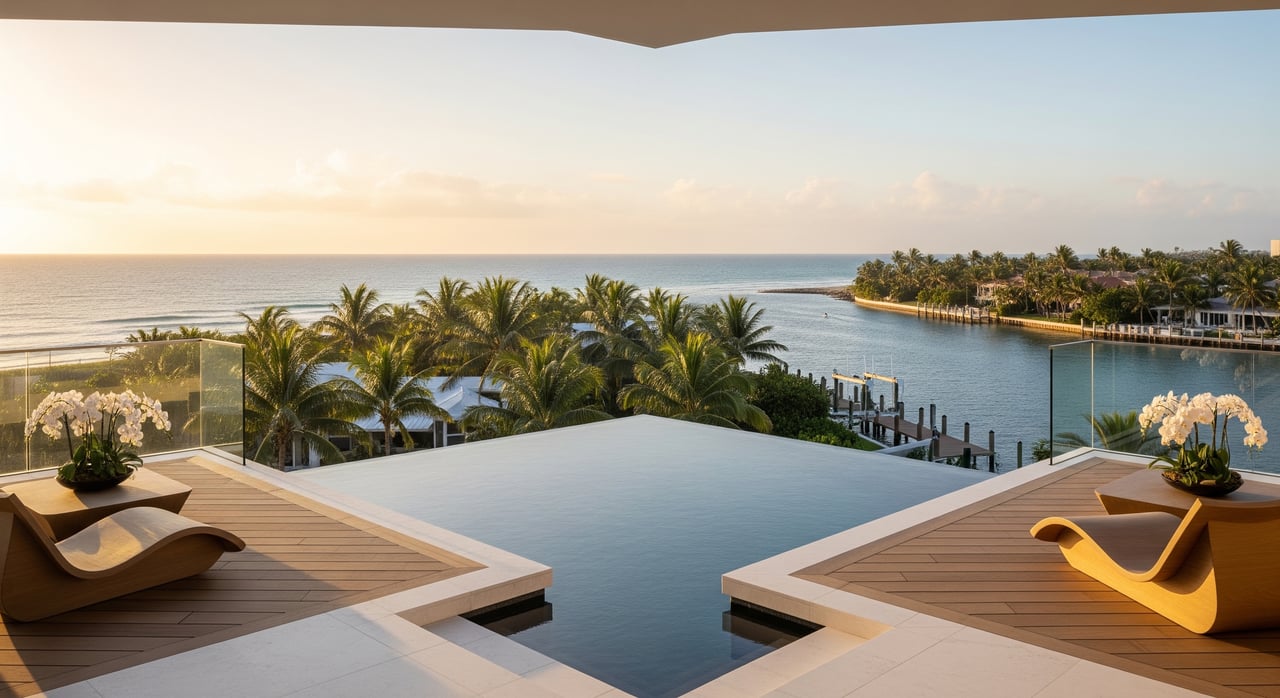
Are you picturing sunrise over the Atlantic or golden sunsets over the Intracoastal Waterway? Choosing between oceanfront and Intracoastal condominiums in Palm Beach is a good problem to have, but the differences go deeper than views. You want the right blend of lifestyle, risk profile, governance, and long-term value. In this guide, you’ll compare both options side by side so you can buy with clarity and confidence. Let’s dive in.
Palm Beach sits on a slender barrier island with the ocean to the east and the Intracoastal Waterway to the west. You can even find buildings with ocean on one side and Intracoastal views or frontage on the other. Here is how the two experiences typically differ.
Oceanfront gives you panoramic horizons and the sensory experience of surf, breeze, and light. It often delivers a high wow factor with fewer visual obstructions. You will notice stronger winds and more glare at certain times of day, especially on higher floors.
Intracoastal views are tranquil and active at once. You might watch boats pass, see marina life, and enjoy softer evening light. Depending on the site, neighboring buildings can be closer across the waterway, which can influence privacy and outlook.
On Palm Beach Island, walkability varies by exact address. Both oceanfront and Intracoastal buildings can be close to Worth Avenue, dining, and services, but the north or south end of the island and proximity to bridges into West Palm Beach will shape your daily routine. If you value a quick hop to restaurants or cultural venues across the bridge, factor that into your shortlist.
Oceanfront brings the rhythmic sound of waves that many find soothing. Public beach access points can increase foot traffic nearby, so security and private access features matter. Wind can also add ambient noise on balconies during certain seasons.
On the Intracoastal, you will find a quieter shoreline in terms of public beach activity. Waterway traffic introduces different sounds from boats and marinas. Sight lines may face other buildings at closer distances, so study elevations, landscaping, and setbacks to understand privacy.
Oceanfront buildings are more exposed to direct surge, overwash, and dune erosion during severe storms. Elevation, sea walls, and dune systems are critical. Intracoastal properties also face flood risk because surge can travel up the waterway, though channels, bulkheads, and site specifics can affect exposure.
Request an elevation certificate if available, review the FEMA flood zone, and understand the building’s flood history. Local elevation and site engineering often matter more than a general label.
Oceanfront structures endure stronger wind-driven spray and salt air. Metal components, railings, windows, HVAC equipment, and concrete reinforcement require vigilant maintenance. Intracoastal exposure can be more forgiving, but coastal conditions still drive wear.
Ask for recent structural or engineering reports, any recertification records, and details on balcony and waterproofing work. A healthy maintenance cadence is a good sign, not a red flag.
Oceanfront buildings may carry higher operating costs for exterior upkeep, dune care, and ocean-facing amenities. Intracoastal associations with marinas have their own expenses, from dock maintenance to pilings and seawall work. What matters most is the building’s reserve health and transparency.
Review the current budget, the most recent reserve study, and any special assessments. Look for clear planning around big-ticket items such as concrete restoration, window upgrades, roofs, seawalls, and dock systems.
Rental policies, guest registration rules, and parking assignments vary by association and municipality. These policies affect investor returns and how you host family and friends. Read them closely before committing.
Coastal Florida faces elevated insurance costs. Direct ocean exposure can increase premiums and windstorm deductibles. Flood insurance depends on the FEMA zone, building elevation, and insurer appetite, whether through the national program or private market options. Older buildings without clear elevation data may see added underwriting scrutiny.
Lenders focus on building financials and governance. Expect review of master insurance coverage, reserves, special assessments, structural reports, and any litigation. Buildings with weak reserves or pending repair projects can be harder to finance and may reduce the pool of eligible buyers.
Oceanfront condos usually command a premium over similar Intracoastal units. The size of that premium depends on the building, floor, orientation, and condition. Within the same stack, a higher floor with a more open view may trade at a meaningfully different price per square foot.
Season also plays a role. From November to April, buyer traffic and seasonal occupancy typically rise, which can influence days on market and negotiation leverage. Evaluate recent sales within the same building and immediate area to get an apples-to-apples read on value.
If you are shopping in season, be prepared for more competition and shorter decision windows. Off season can offer more time to evaluate documents, line up insurance quotes, and complete inspections. Either way, clarity on your priorities, financing, and due diligence saves time when the right unit appears.
Use this focused checklist to protect your interests:
You deserve more than a quick tour. You deserve a design-savvy guide who also reads building documents like a board member. Sharon’s boutique approach blends merchandising expertise with hands-on condominium leadership so you can evaluate both the residence and the building behind it.
Here is how that shows up for you:
Whether you are leaning toward waves or waterways, the strongest move is a tailored shortlist and a plan to review the right documents before you write an offer. For a discreet, design-led approach to Palm Beach condos, connect with Sharon Sweet. Schedule a private consultation and see oceanfront and Intracoastal options through a curator’s lens.
Stay up to date on the latest real estate trends.

With unmatched creativity, negotiation skills, and dedication, Sharon is ready to guide you through every step of your real estate journey.
Sharon Sweet
Address 340 Royal Poinciana Way Ste M314 Palm Beach FL 33480