Palm Beach Oceanfront Lifestyle: Inside Condo Living
January 15, 2026
January 15, 2026
You can feel it before you see it: the hush of the Atlantic at daybreak, the first gold light across the water, and the ease of a home where every need is handled. If you are picturing oceanfront condo living on Palm Beach, you are likely weighing both the romance and the realities. You want a clear sense of daily life, the true costs, the rules that shape the beach, and how to choose a building that protects long-term value. This guide gives you a realistic, design-led look at what life feels like and what to verify before you buy. Let’s dive in.
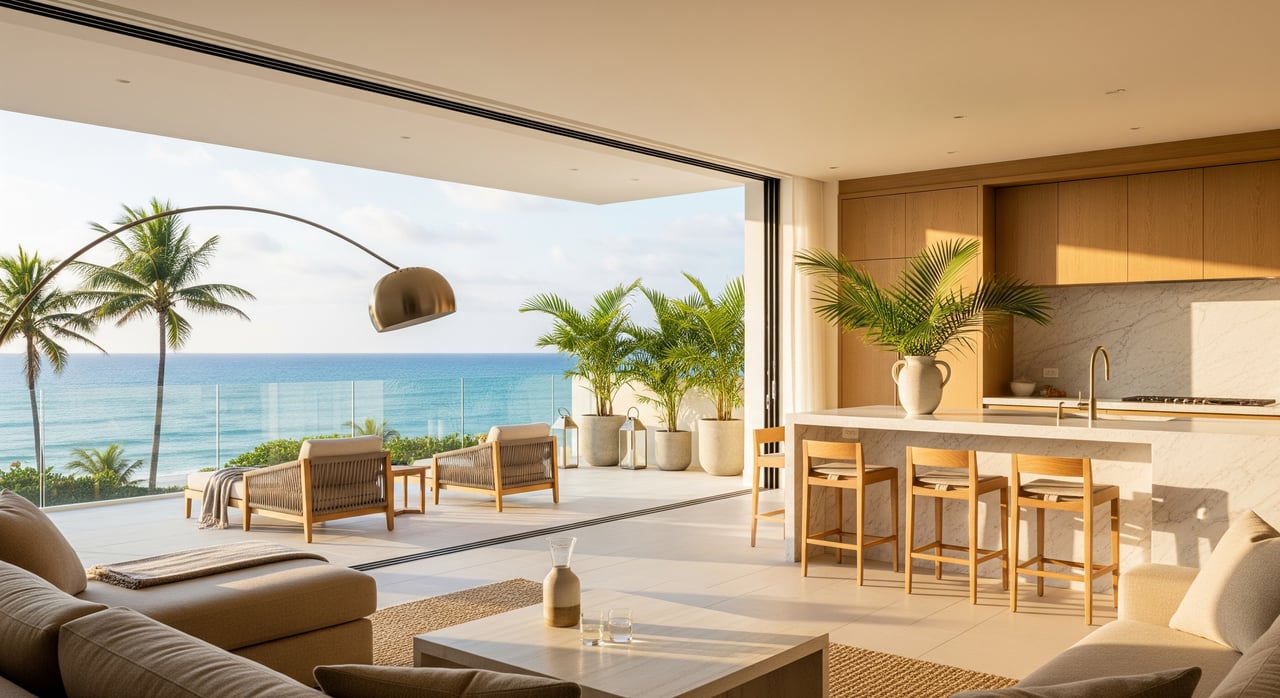
Your days often begin with sunrise. East-facing residences on the Atlantic side deliver direct morning light and a wide horizon, which many owners build a routine around. You might start with coffee on the balcony, then a walk along the shoreline before the day warms. Interiors on this exposure are bright early, then cool later, which shapes how you plan shading and materials.
Most oceanfront condos use impact-resistant glazing for storm protection and comfort. The current rules flow from the Florida Building Code, which sets performance standards for coastal construction. Low-E coatings help reduce heat and UV fade, and motorized shades or retractable screens manage glare during peak morning hours. If you plan window upgrades, confirm association rules and permits with the Town of Palm Beach before you commit.
Many oceanfront buildings on Palm Beach staff for ease. Concierge, valet and package handling are common services that simplify daily life. They can manage dinner reservations, welcome deliveries, and coordinate vendors when you are traveling. Service levels and hours vary by building and are funded by HOA or condo fees, so review operating budgets to understand what is included.
You will see references to private beach access, but the rules are precise. In Florida, the wet sand area seaward of the mean high tide line is generally public, while the dry sand and beach amenities above that line may be private for residents and guests. For context, the Florida Department of Environmental Protection explains coastal management basics that shape access. Your association may control gates, cabanas and dune walkovers, but you should verify exact easements and policies in the condo documents before you rely on them.
Island life blends relaxation with access. You can stroll Worth Avenue’s shops and galleries, then linger at cafes and courtyards at Worth Avenue and Royal Poinciana Plaza. Across the bridge, West Palm Beach expands your options with dining and events at Rosemary Square. Frequent travelers also value the short drive to Palm Beach International Airport, which makes quick seasonal trips simple.
If boating is part of your lifestyle, plan around slips and service. Some condominium communities have associated marina facilities, but slip ownership and availability differ widely. You may find deeded slips, leased slips, or wait lists. Size and draft rules, plus proximity to the inlet, determine what you can keep locally and how quickly you reach open water.
Seasonality matters. Service yards and haul-out capacity tighten in winter, so plan ahead. For local regulations and countywide marine resources, refer to Palm Beach County’s official site.
On the ocean, insurance is a key part of the budget. Flood coverage often flows through NFIP policies and the association’s master policy may cover structures, while you cover contents and loss assessments. To see whether a building sits in a special flood hazard area, consult the FEMA Flood Map Service Center. Wind and hurricane coverage is also essential in South Florida, and deductibles for named storms can be significant.
Florida’s insurance market has been fluid. For current guidance on carriers and consumer information, review the Florida Office of Insurance Regulation. Before you buy, request the association’s master policy, deductibles, and any recent claims or special assessments so you understand your exposure.
Monthly dues on the ocean tend to run higher than inland due to staffing, insurance, exterior upkeep in a salt environment, and beachfront amenities. The real insight comes from the association’s budget, reserve study, and recent board minutes. These documents reveal planned capital projects like elevator modernization, waterproofing, façade work, and balcony repairs that may lead to future assessments.
Ask for:
Buildings with strong reserves and transparent planning usually deliver smoother ownership and better resale confidence.
Design choices protect your investment and reduce upkeep. Exterior railings and hardware perform better in marine-grade stainless steel, properly powder-coated aluminum, or similarly durable finishes. On balconies, porcelain tile or sealed concrete resists salt and humidity. Indoors, you will appreciate moisture-tolerant flooring like porcelain or engineered wood over traditional solid hardwood in sun-heavy rooms.
For soft goods, UV-stable outdoor textiles reduce fading and wear. Brands like Sunbrella provide fabrics designed for high light and salt exposure. Light, reflective palettes keep spaces cool and disguise salt-bleach better than dark, saturated tones. The right materials produce a home that looks intentional and stays that way.
Preventive care is part of oceanfront life, and your association handles much of it. You still benefit from a simple routine inside your unit.
Your association should inspect metalwork, repaint exteriors, and maintain pool and pump systems on a consistent cycle. These patterns should appear in the reserve plan.
Exact figures vary by building, but oceanfront owners typically plan for the following categories. Reviewing documents will help you model ranges for your preferred building.
You might be a seasonal buyer who wants turnkey ease, a design-focused downsizer who values quality over size, or a boater who wants quick access to the inlet. Oceanfront condo living on Palm Beach works well if you value service, lock-and-leave confidence, and proximity to culture and travel. It is a lifestyle that rewards planning, governance and a taste for light and texture.
A successful purchase blends design, governance and location. You will want an advisor who can read budgets and reserves as fluently as finishes and light. That means reviewing insurance coverage line by line, reading minutes for future projects, and understanding what orientation and materials will keep your home performing and beautiful.
Working with a design-led, board-savvy advisor helps you assess both the residence and the building’s long-term health. If you decide to sell later, the same approach supports premium presentation and confidence for buyers. For guidance that unites merchandising, governance insight and white-glove execution, connect with Sharon Sweet.
Stay up to date on the latest real estate trends.

With unmatched creativity, negotiation skills, and dedication, Sharon is ready to guide you through every step of your real estate journey.
Sharon Sweet
Address 340 Royal Poinciana Way Ste M314 Palm Beach FL 33480